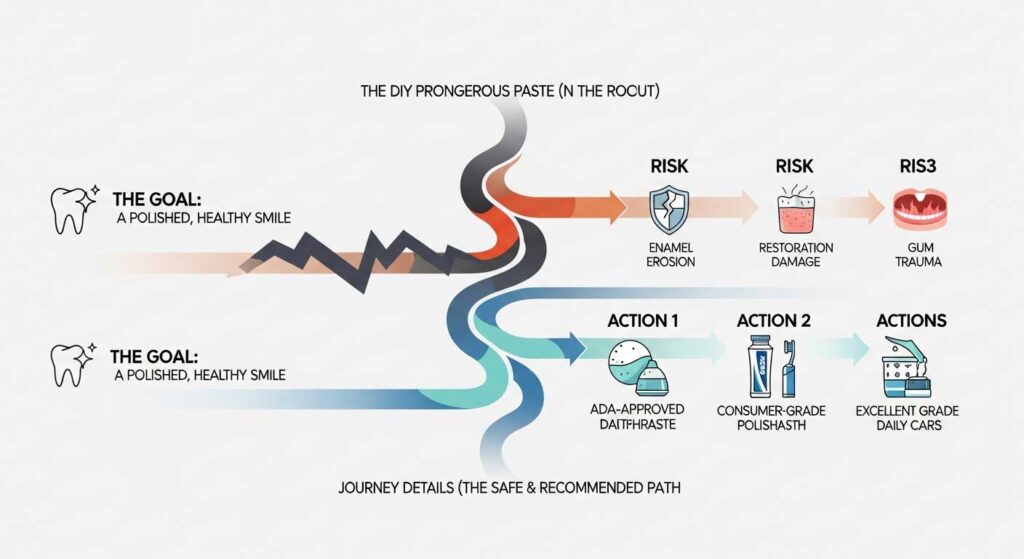

The quest for a dazzling, confident smile often leads us down a path of exploring ways to replicate professional dental treatments in our own bathrooms. That incredibly smooth, polished feeling after a dental cleaning is highly sought after, making the at-home use of dental prophy paste a tempting shortcut. This is the gritty, specialized paste your dental hygienist uses to give your teeth their final, brilliant shine.
Table of Contents
However, just because a product is available online does not mean it is safe for home use. Using prophy paste at home is a practice overwhelmingly advised against by dental professionals. This comprehensive guide will explain what this professional dental prophy paste is, why its home use is risky, and outline the correct, safe methods to achieve a brighter, healthier smile without causing irreversible damage to your teeth.
What Is Professional Dental Prophy Paste? A Look Inside the Hygienist’s Toolkit
Prophy, short for prophylaxis, is the clinical term for a professional dental cleaning designed to prevent disease. The prophy paste used in this procedure is a complex, professional-grade compound, far different from your daily toothpaste. Understanding its composition is the first step in recognizing why it belongs in a dental office.
Deconstructing Prophy Paste: Core Ingredients and Their Functions
The effectiveness of dental prophy paste comes from a carefully balanced formulation. Each ingredient serves a specific purpose in cleaning and polishing teeth under controlled, professional supervision.
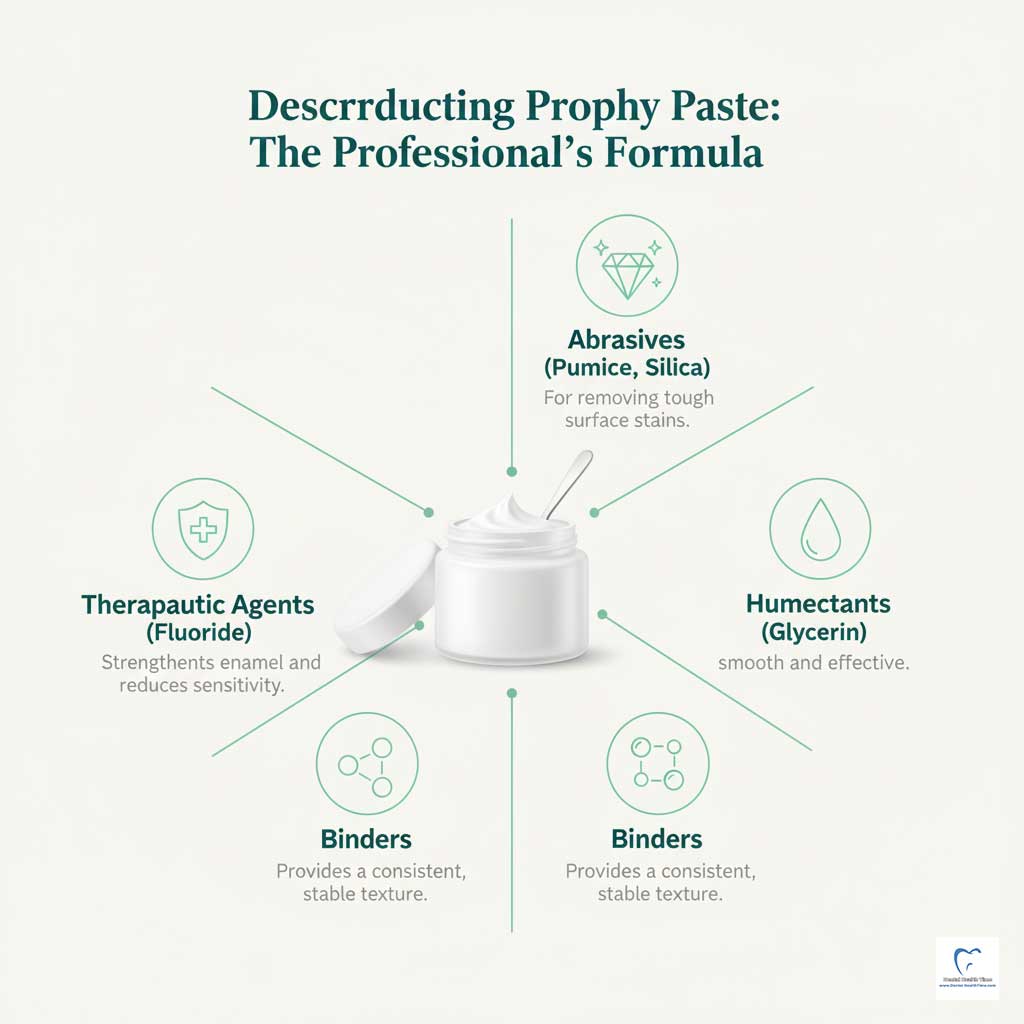
- Abrasives: These are the primary cleaning agents. Common abrasives include pumice, silica, zirconium silicate, and calcium carbonate. They come in various “grits” (fine, medium, coarse, and extra-coarse) that a hygienist selects based on the patient’s specific needs and the amount of stain present.
- Humectants & Binders: Ingredients like glycerin prevent the paste from drying out, while binders hold the formulation together to ensure a consistent texture for application.
- Therapeutic Agents: Modern professional dental prophy paste often includes beneficial additives. Fluoride is common for helping to remineralize and strengthen enamel post-cleaning. Other agents like potassium nitrate help reduce sensitivity, a welcome addition after a thorough cleaning.
The Science of Abrasion: Understanding the RDA Scale
To grasp the power of prophy paste teeth polishing, we must look at the science of abrasion. The Relative Dentin Abrasivity (RDA) scale is the industry standard for measuring how abrasive a dental product is to your teeth. A higher number means a higher potential for wear.
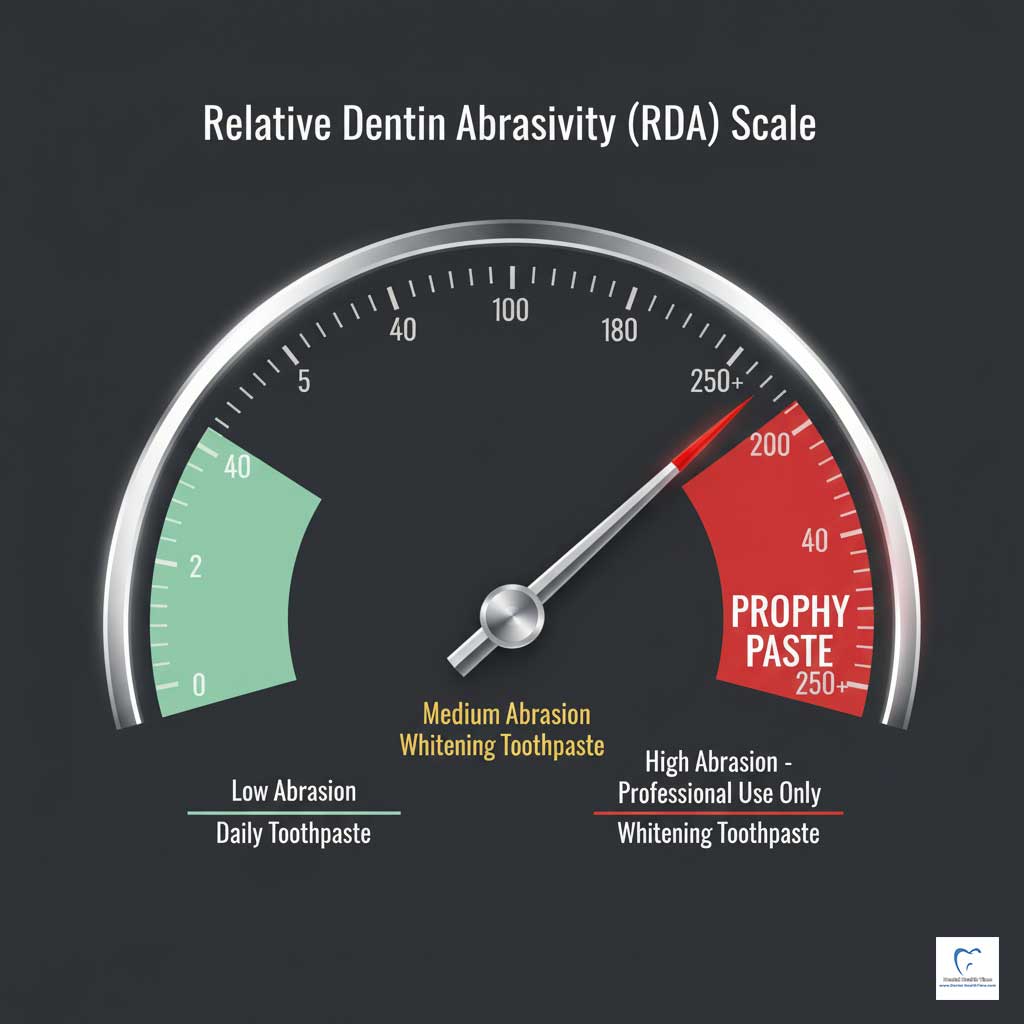
The U.S. Food and Drug Administration (FDA) recommends an RDA value of 200 or less for daily-use toothpaste. The American Dental Association (ADA) has a slightly higher safety limit of 250. Many whitening toothpastes fall between 100-150, but professional prophy pastes can easily exceed 200, making them unsuitable for frequent or untrained use.
The Booming Prophy Paste Market: A Sign of Professional Trust, Not DIY Safety
The global market for dental prophy paste is projected to grow from around USD 500 million in 2023 to nearly USD 880 million by 2032. This impressive growth reflects the dental industry’s reliance on this product for effective, in-office preventative care.
This market trend underscores the value of prophy paste teeth polishing in a clinical setting. It is not an endorsement for prophy paste home use. The growth is driven by dental professionals who are trained to harness its benefits safely.
The Critical Difference: Professional Technique vs. At-Home Application
The safety and efficacy of dental prophy paste are not just in the paste itself but in the precise method of its application. What a dental hygienist does is a skilled procedure that cannot be replicated with a toothbrush in front of your bathroom mirror.
How a Dental Hygienist Performs Professional Teeth Polishing
The dental hygienist recommended polish method is a multi-step process designed for maximum effectiveness and minimal risk. It’s far more than just rubbing paste on teeth.
- Assessment and Scaling: Before polishing, the hygienist removes plaque and—most importantly—tartar (hardened calculus) from your teeth. Polishing is the final step, not the primary cleaning method.
- Grit Selection: The hygienist examines your teeth for the type and amount of staining and chooses the least abrasive grit necessary to do the job. This customized approach protects your enamel.
- Specialized Tools: They use a slow-speed, low-torque handpiece equipped with a soft, flexible rubber polishing cup.
- The Polishing Technique: Using the polishing cup prophy paste technique, the hygienist applies the paste with a light, intermittent touch. The cup flexes and flares to adapt to the tooth’s contour, ensuring an even polish while minimizing heat and friction.
Why Your Bathroom Isn’t a Dental Office: A Comparison of Tools
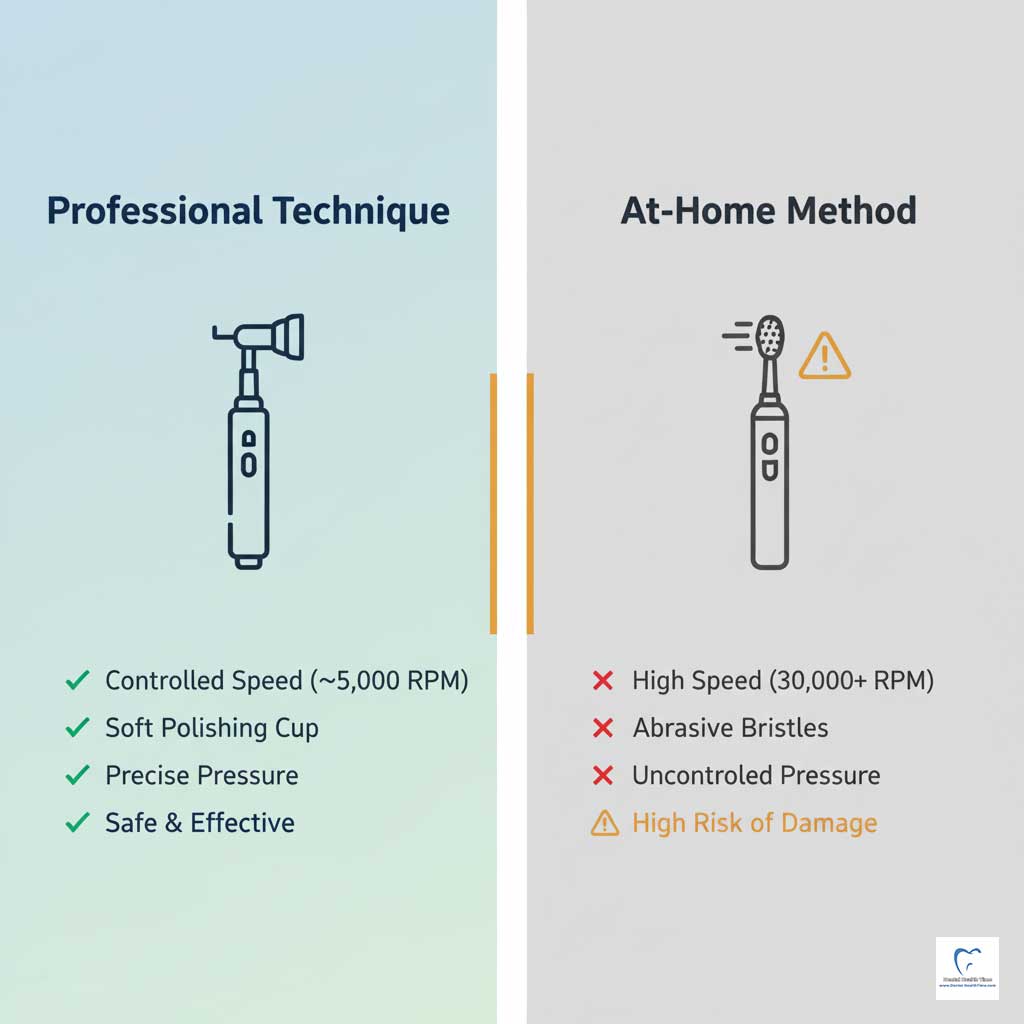
The most common mistake people make is thinking they can use an electric toothbrush for prophy paste use. This is exceptionally dangerous due to the fundamental differences between consumer and professional tools. The risk of using prophy paste at home multiplies when the wrong equipment is used.
| Feature | Professional Slow-Speed Handpiece | At-Home Electric Toothbrush |
| Speed (RPM) | ~2,000–10,000 RPM (Controlled) | ~30,000–60,000+ brush movements/min |
| Mechanism | Slow, steady rotation | High-frequency vibration or oscillation |
| Applicator Head | Soft, flexible rubber cup | Bristles designed to sweep, not polish |
| Pressure Control | Trained operator feel & technique | User-applied (some have sensors, but not for polishing) |
| Primary Risk | Minimal with proper training | High risk of enamel gouging, abrasion, and heat |
The Unseen Damage: Top 5 Risks of Using Prophy Paste at Home
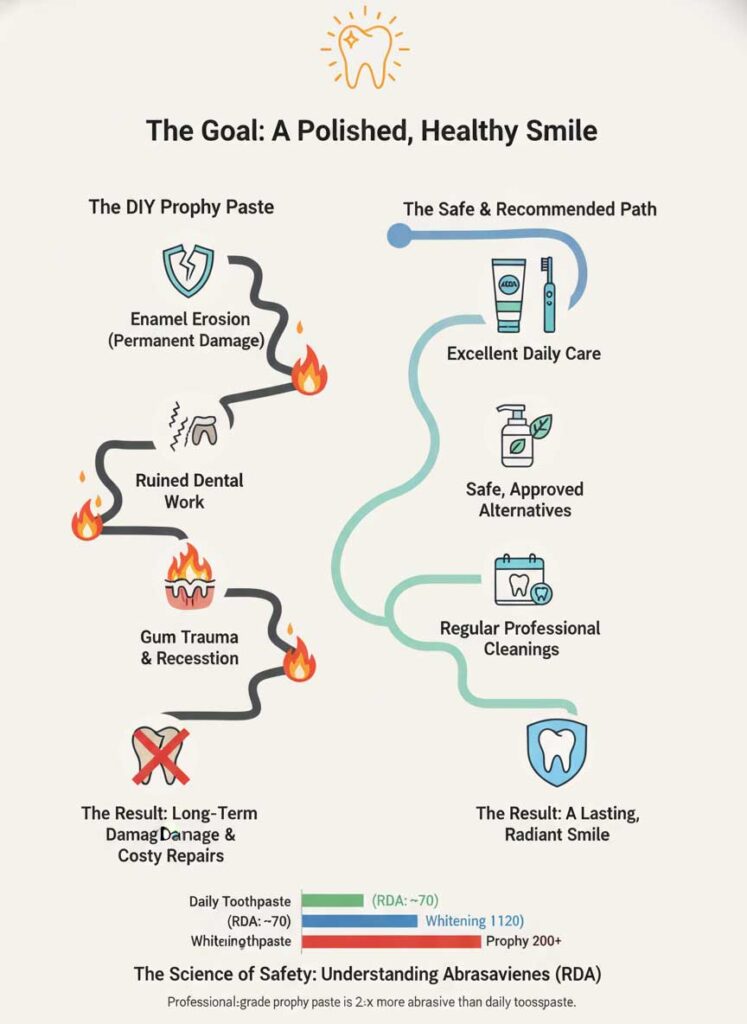
While the immediate result of using prophy paste at home might be smoother-feeling teeth, the unseen damage can be severe and permanent. Understanding these risks of using professional prophy paste at home is crucial for protecting your long-term oral health.
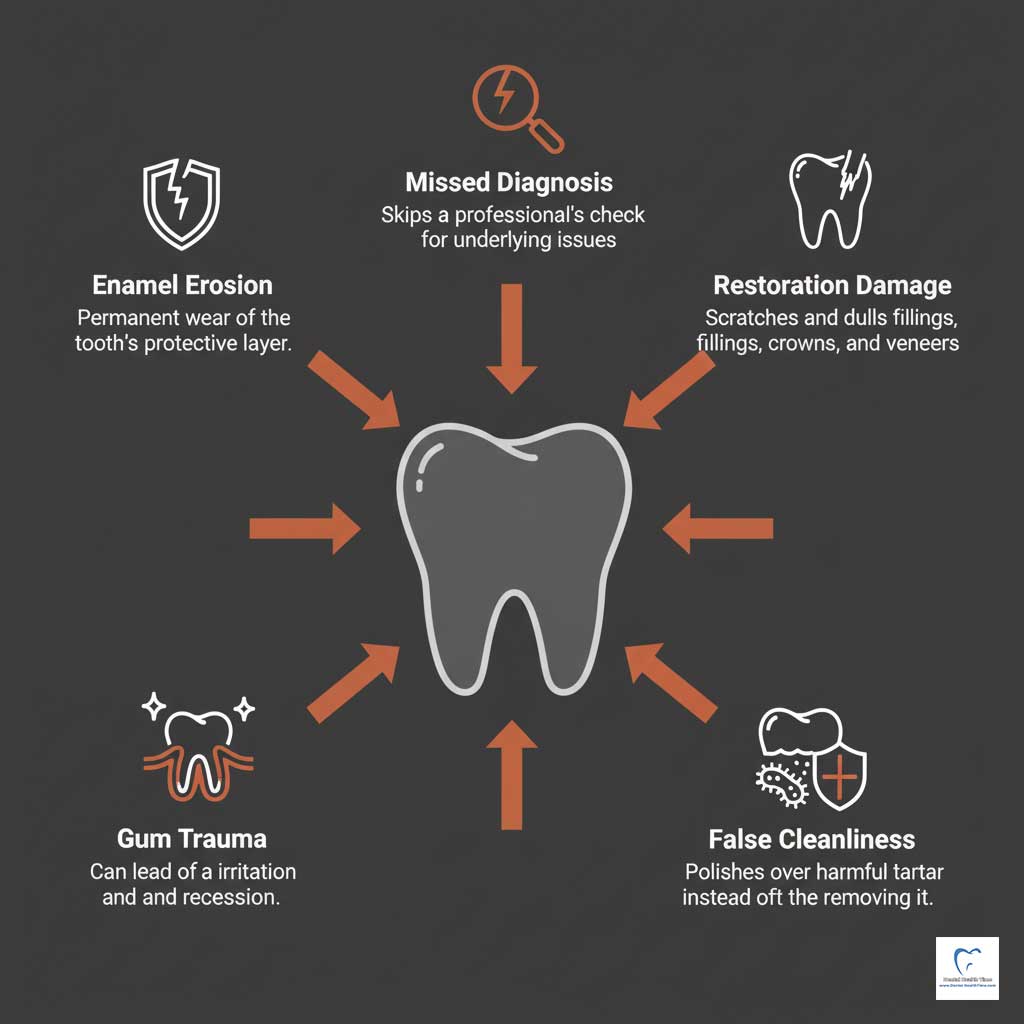
Risk 1: Irreversible Enamel Erosion and Accelerated Tooth Wear
Your tooth enamel is the hardest substance in your body, but it has no living cells and cannot regenerate. Using a highly abrasive dental paste for stain removal like prophy paste is akin to using coarse sandpaper on a fine wood finish. Over time, it will strip away the protective enamel layer.
This leads to several problems. First, as enamel thins, the underlying dentin, which is naturally more yellow, begins to show through, ironically making your teeth appear darker. Second, it dramatically increases the risk of tooth sensitivity to hot and cold.
Risk 2: Destroying Expensive Dental Restorations
If you have composite (tooth-colored) fillings, porcelain veneers, or crowns, using prophy paste at home is a recipe for disaster. Research in dental materials journals consistently shows that coarse abrasives increase the surface roughness of composite and other restorative materials.
This damage dulls the finish of your dental work, making it look unnatural. More importantly, the microscopic scratches create a surface where stains and plaque can easily accumulate, compromising the longevity and appearance of your expensive restorations. This is a key reason why answering ” is dental prophy paste safe for enamel and restorations at home?” is a resounding no.
Risk 3: Gum Tissue Trauma and Recession
The delicate tissues of your gums are not designed to withstand the coarse particles found in a tooth polishing paste of professional grade. Improper application can lead to irritation, inflammation, and tiny abrasions.
Over time, this chronic irritation can contribute to gum recession, where the gum tissue pulls away from the tooth, exposing the sensitive root surface. This can lead to pain and an increased risk of root cavities.
Risk 4: A False Sense of Cleanliness Over Tartar Buildup
Polishing teeth makes them feel clean, but it is not a substitute for removing tartar. Tartar is a hardened deposit of plaque that can only be removed by a dental professional through scaling.
When you polish over tartar, you are not removing the problem. You are simply smoothing the surface over a colony of bacteria, potentially trapping them against the tooth and under the gumline, which can accelerate gum disease.
Risk 5: Lack of Professional Diagnosis
A professional cleaning is also a crucial opportunity for your dental team to conduct an examination. They screen for early signs of cavities, gum disease, oral cancer, and failing dental work. When you opt for a DIY prophy paste home use approach, you miss this vital health check-up.
Safer At-Home Alternatives vs. Professional Prophy Paste
The ultimate goal is a brighter smile, and thankfully, there are numerous safe and effective ways to achieve this without resorting to dangerous professional products. Understanding the prophy paste vs whitening toothpaste debate is a great place to start.
Making an Informed Choice for Your At-Home Oral Care Routine
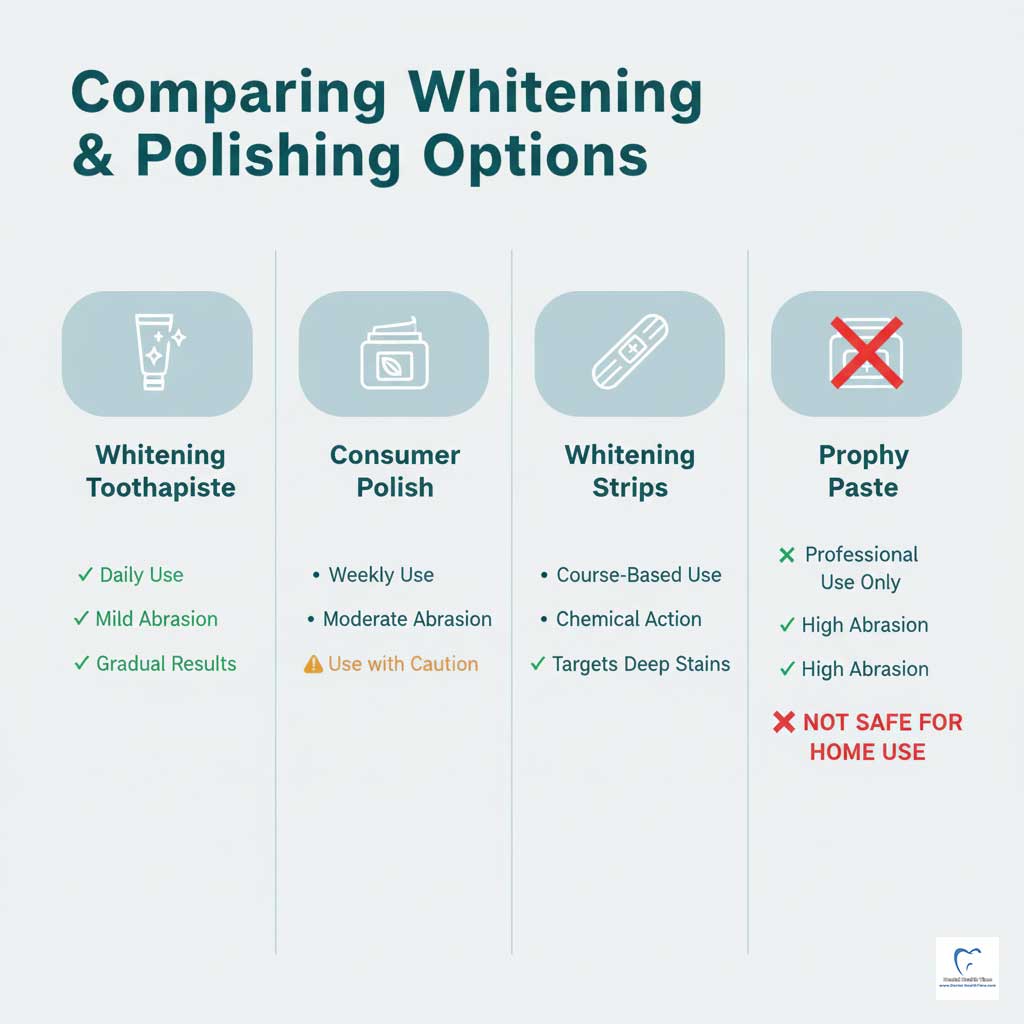
Here is a breakdown of your options, helping you choose the right product for your goals while prioritizing the health of your teeth. For safe surface stain removal, consider these alternatives to prophy paste at home.
| Feature | Professional Prophy Paste | Whitening Toothpaste | Consumer-Grade Polishing Paste | Whitening Strips / Gels |
| Primary Purpose | Stain removal & polishing | Daily cleaning & gradual stain lifting | Occasional heavy stain removal | Intrinsic tooth whitening (bleaching) |
| Mechanism | High physical abrasion | Mild abrasion + chemical agents | Moderate physical abrasion | Chemical oxidation (peroxide) |
| Typical RDA | 150 – 250+ | 70 – 150 | 80 – 120 | N/A (Non-abrasive) |
| Frequency of Use | 1-2 times per YEAR (by a pro) | Twice Daily | Once or Twice per WEEK (max) | Daily for 1-2 weeks (per kit) |
| Safety for Home Use | Not Safe / Not Recommended | Generally Safe (with ADA seal) | Use with Caution | Generally Safe (follow directions) |
| Effect on Enamel | High risk of permanent damage | Minimal wear with proper use | Moderate risk if overused | Can cause temporary sensitivity |
A Practical Guide to a Brighter, Healthier Smile (The Safe Way)
Now that you understand the risks of using prophy paste at home, let’s focus on the correct approach. The most effective how to use prophy paste guide is one that redirects you to safe, sustainable methods for achieving a brilliant smile.
Step 1: Upgrade Your Daily Routine with the Right Products
The foundation of a bright smile is an excellent daily hygiene routine. This is non-negotiable.
- Choose the Right Toothbrush: Invest in a quality electric toothbrush with soft bristles and a pressure sensor. This feature is critical as it warns you if you’re brushing too hard, helping to protect your enamel and gums.
- Select an ADA-Accepted Whitening Toothpaste: Look for the ADA Seal of Acceptance. This ensures the product has been tested and is proven to be safe and effective. These toothpastes use a safe level of abrasion to gently buff away daily surface stains.
Step 2: Incorporate a Safe, Enamel-Friendly Polishing Method
If you struggle with heavy stains from coffee, tea, or red wine, a consumer-grade enamel safe polishing paste can be a helpful addition, but it must be used correctly.
- Check the RDA: Look for products specifically designed for at-home use with a lower RDA value.
- Use Sparingly: Do not use it more than once or twice a week. A tiny, pea-sized amount is all you need.
- Gentle Application: Use a soft-bristled brush on a low setting (or a manual brush with light pressure). Polish each tooth for only a couple of seconds. Never scrub aggressively.
Step 3: Lifestyle and Diet for Stain Prevention
What you do throughout the day matters just as much as your brushing routine.
- Rinse After Staining Foods/Drinks: After your morning coffee or glass of red wine, rinse your mouth with water to wash away staining compounds before they can set.
- Use a Straw: Drinking dark sodas, iced tea, and iced coffee through a straw can minimize their contact with your front teeth.
- Eat “Detergent” Foods: Crunchy fruits and vegetables like apples, celery, and carrots can help naturally scrub your teeth as you eat them.
Step 4: The Unbeatable Value of Professional Dental Cleanings
There is no at-home product that can replace a professional cleaning. Bi-annual visits to your dentist and hygienist are the cornerstone of maintaining both your oral health and a bright, polished smile. They have the tools and expertise to safely manage stains and tartar in a way you simply cannot at home.
Your Brightest Smile Starts with Safe, Informed Choices
While the title asks how to use prophy paste, the most responsible and health-conscious answer is simple: you don’t. The desire for a professionally polished smile is valid, but the risks associated with the DIY use of a tooth polishing paste of professional grade are far too great.
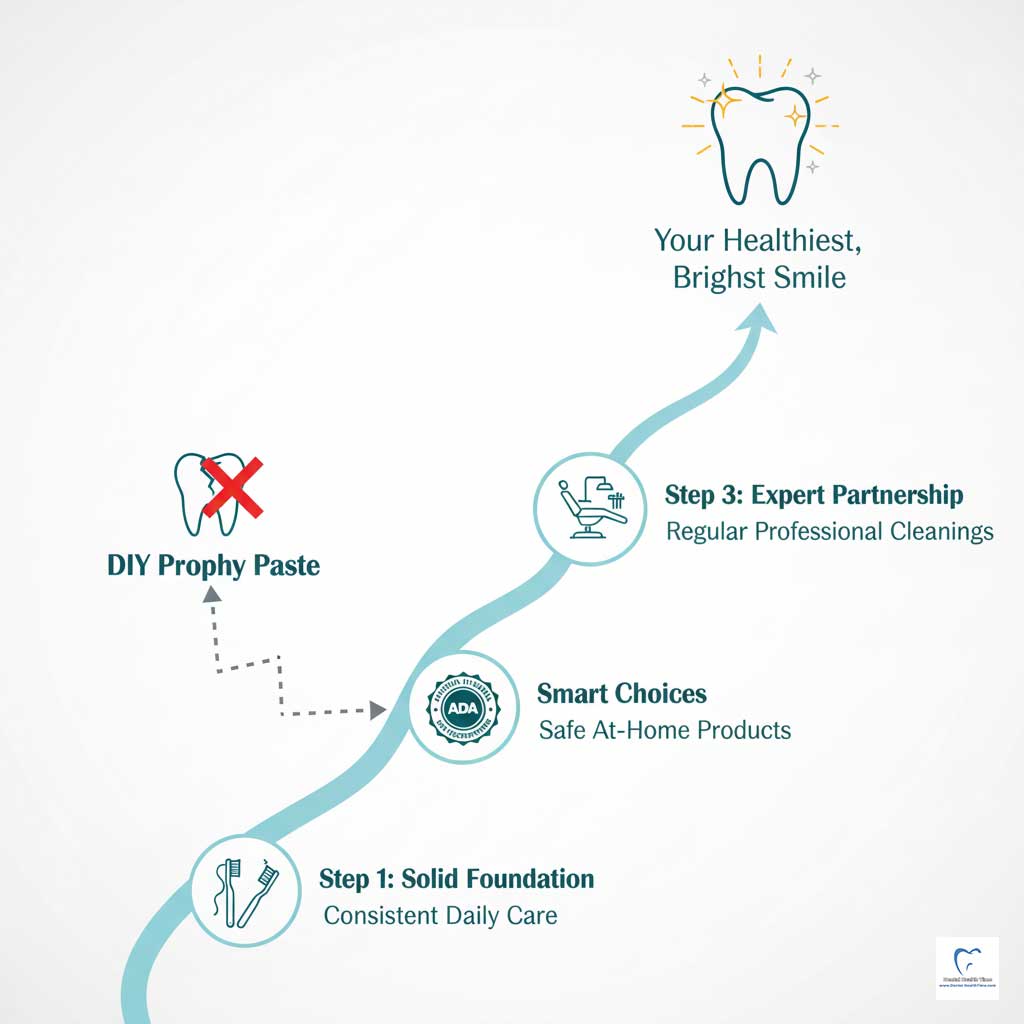
The path to a truly bright and lasting smile is paved with consistent, safe habits and a strong partnership with your dental care team.
- Key Takeaway 1: Professional dental prophy paste is a clinical tool with high abrasiveness, designed only for trained professionals.
- Key Takeaway 2: Using prophy paste at home poses a significant risk of permanent enamel damage, harm to dental work, and gum irritation.
- Key Takeaway 3: Safe alternatives like ADA-accepted whitening toothpastes and quality electric toothbrushes are effective for managing daily surface stains.
- Key Takeaway 4: Nothing can replace a professional dental cleaning for removing tartar and ensuring your overall oral health.
By embracing a safe and effective daily care routine and leaving the heavy-duty polishing to the experts, you can achieve the brilliant, healthy smile you desire without compromising the future of your teeth.
Frequently Asked Questions (FAQs)
Is prophy paste safe to use at home under any circumstances?
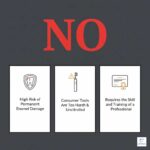
No, dental and hygiene associations universally advise against the home use of professional prophy paste. Its high abrasiveness is only safe when applied with the specific tools and techniques used by a trained professional.
What is the actual difference in feeling between prophy paste and whitening toothpaste?
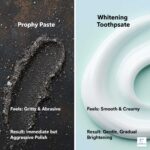
Prophy paste is much grittier, similar to a fine scrub. While it leaves teeth feeling exceptionally smooth initially, this is due to its high abrasive power. Whitening toothpaste feels like regular toothpaste and achieves its results gradually and gently over time.
How often can prophy paste be used safely by a professional?
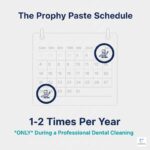
A dental professional will typically use prophy paste during a routine cleaning, which occurs once or twice a year. It is not designed for frequent use, even in a clinical setting.
Can I polish my teeth at home like the dentist does if I buy a special kit?
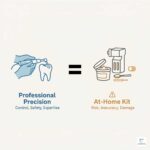
While “at-home polishing kits” are sold online, they are not equivalent to a professional treatment. The tools lack the control of a clinical handpiece, and the pastes (if they are professional-grade) carry the same risks of enamel damage.
Will prophy paste damage my enamel even if I use it just once?
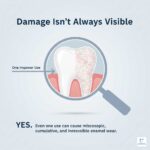
A single, improper use can cause microscopic scratches and irreversible enamel wear. The damage is cumulative, and it’s impossible for an untrained user to apply it with the correct pressure and technique to avoid harm.
What are the best polish pastes for home use that mimic prophy paste effects safely?

Look for consumer-grade tooth polishes with low RDA values that are specifically marketed for occasional at-home use and carry the ADA Seal of Acceptance. Consult your dentist before using any new abrasive product.
Does prophy paste contain whitening agents like peroxide?
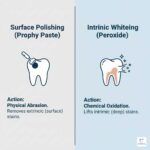
Typically, no. Prophy paste works by physical abrasion to remove surface stains. It does not bleach or change the intrinsic color of your teeth like products containing hydrogen or carbamide peroxide do.
Can I use prophy paste if I have sensitive teeth?
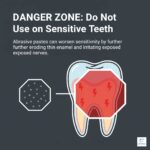
Absolutely not. Using a highly abrasive paste on sensitive teeth will likely worsen the problem by further eroding enamel and exposing the sensitive dentin layer underneath.
Will using prophy paste at home save me money on dental visits?
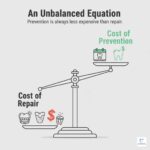
In the long run, it will likely cost you far more. The potential cost of repairing damaged enamel, fillings, or crowns caused by improper prophy paste use far exceeds the cost of a routine professional cleaning.
What should I do if I’ve already used prophy paste at home?
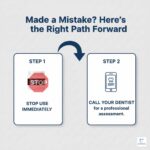
Stop using it immediately. Schedule an appointment with your dentist for an examination. They can assess if any damage has occurred and recommend a safe oral hygiene routine to protect your teeth moving forward.
1 thought on “How to Use Prophy Paste at Home for a Brighter Smile”