

The high-pitched whine of the ultrasonic scaler wasn’t the worst part of my visit—it was the clock ticking on the wall. I sat there wondering if my lunch break appointment would turn into an afternoon nightmare. Most patients panic about pain, but the real anxiety often comes from the uncertainty of the schedule.
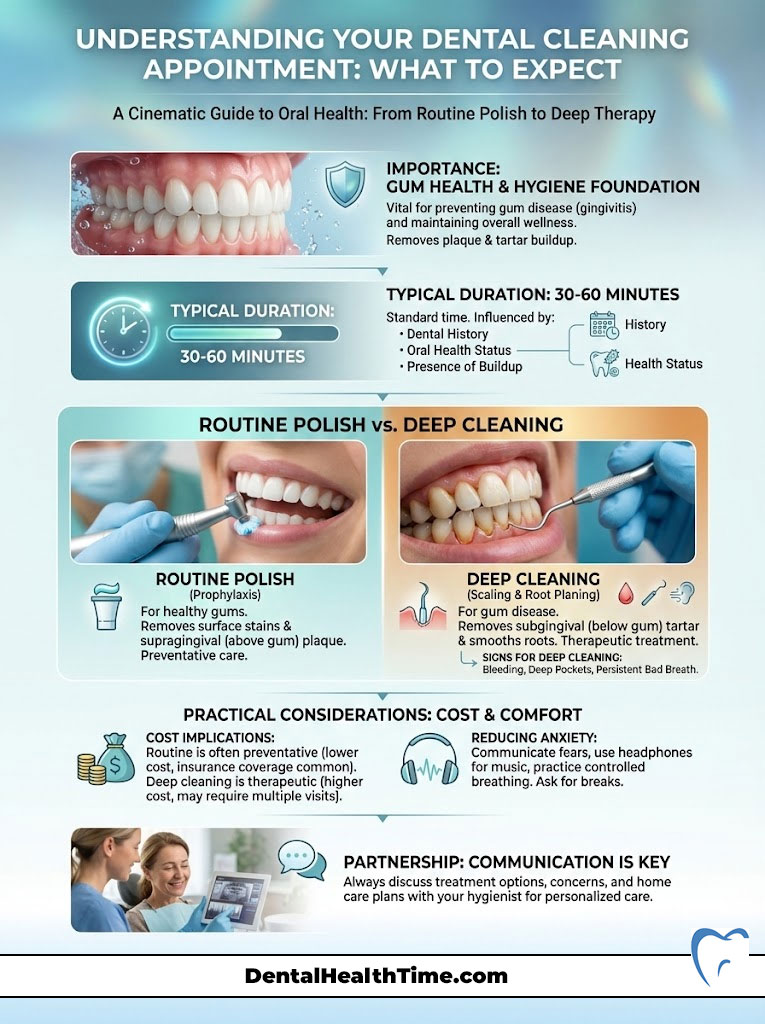
Time in the chair translates directly to the health of your gums and the size of your bill. How long does a dental cleaning take? The answer depends entirely on what the hygienist discovers the moment you open your mouth.
It turns out, there is a massive difference between a routine polish and a deep therapeutic session. I discovered that knowing this timeline can save you hundreds of dollars and hours of frustration.
The Standard Routine: The “Lunch Break” Clean
If your gums are healthy, you are in luck. A standard prophylaxis usually wraps up in 45 to 60 minutes. This timeframe includes the exam, x-rays, and the actual scraping.
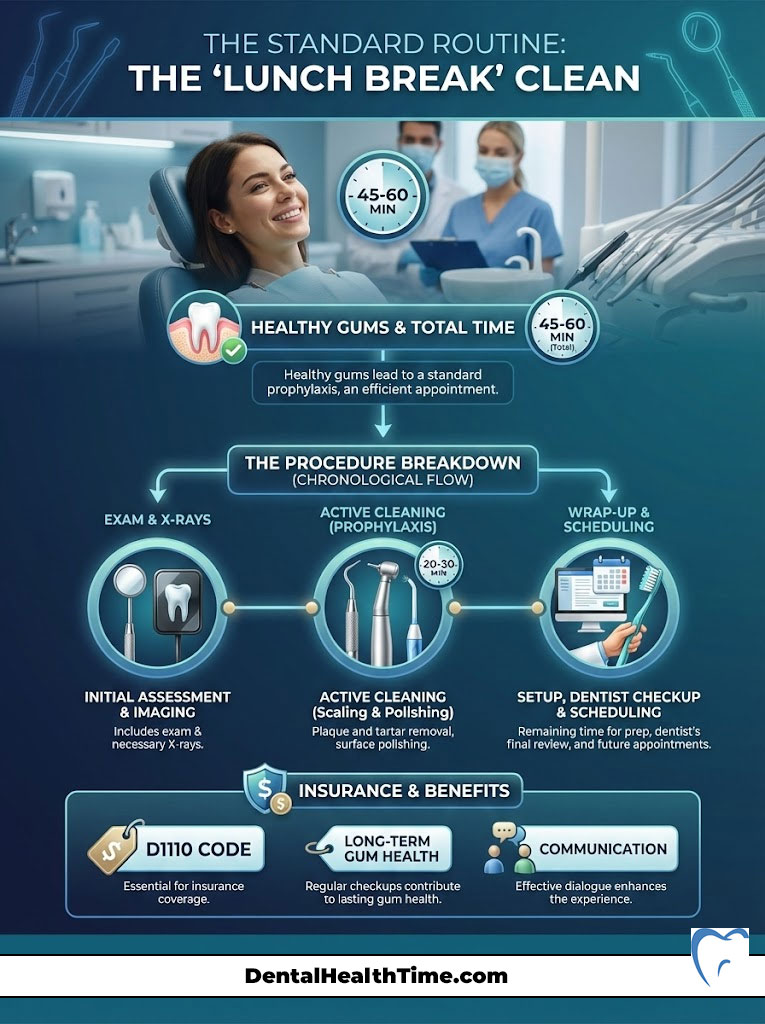
I found that the active cleaning portion only lasts about 20 to 30 minutes. The rest of the hour is consumed by setup, the dentist’s checkup, and scheduling your next visit. This is the D1110 code your insurance loves to see.
Why It Goes Fast
- Ultrasonic Tech: Devices like the Cavitron vibrate tartar off instantly.
- Regular Maintenance: 6-month visits mean less buildup to scrape.
- Healthy Gums: No numbing agents are required.
The “Deep Cleaning” Reality Check
This is where things get complicated. If you haven’t visited a clinic in years, do not expect to be out in an hour. Scaling and Root Planing (SRP) is a serious therapy for gum disease.
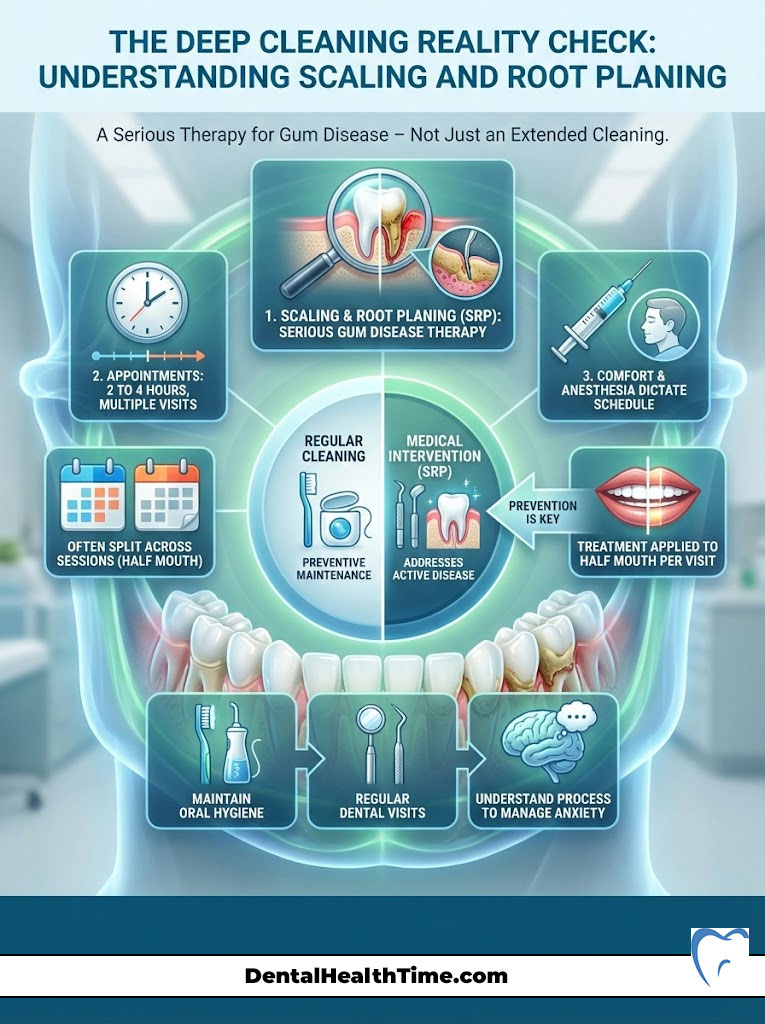
My hygienist explained that this process often takes two to four hours total. They rarely do it all at once. Instead, they treat half your mouth per visit to manage comfort and local anesthesia limits.
Deep cleaning is not just a longer scrub; it is a medical intervention.
The Time-Suck Factors
- Numbing: Waiting for anesthesia to kick in takes 10-15 minutes.
- Severity: Hardened tartar below the gumline requires manual force.
- Education: The team must teach you new hygiene protocols.
The Cost of Time: What You Pay
Time is money, especially in a dental operatory. I was shocked to learn how drastically the price jumps when the clock keeps running. A standard clean might cost you nothing out of pocket with insurance.
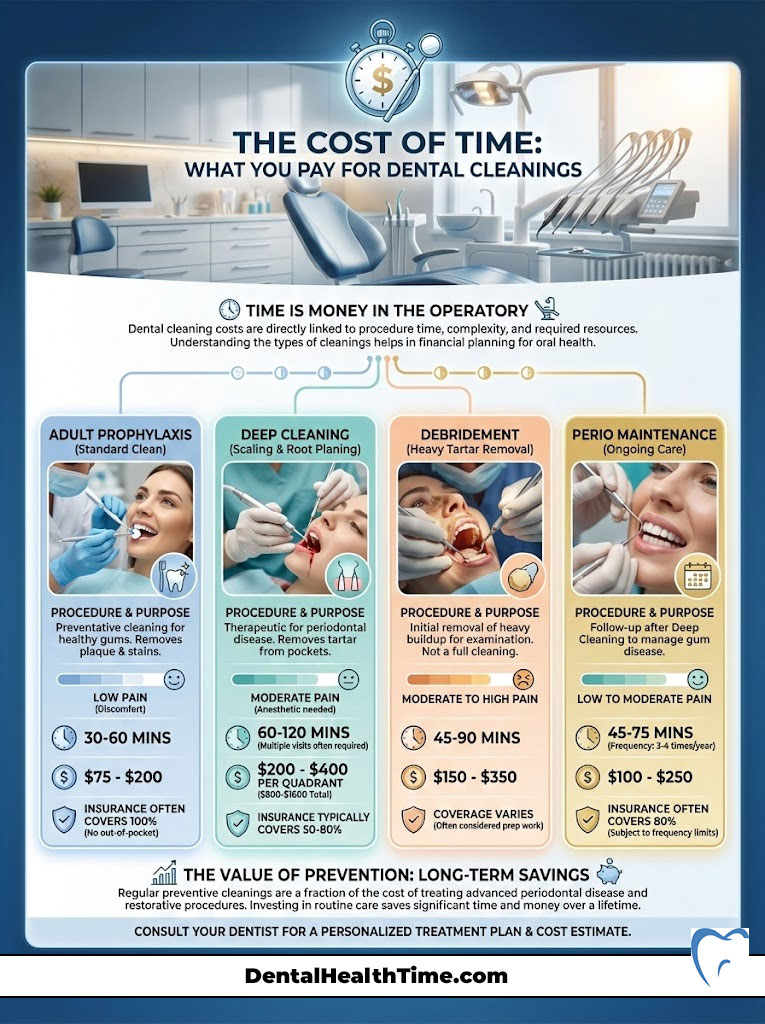
A deep cleaning is a different beast entirely. You are paying for the expertise and the time required to halt periodontal disease.
Cleaning Type Breakdown
| Procedure Type | Avg. Duration | Est. Cost (No Insurance) | Pain Level |
|---|---|---|---|
| Adult Prophy | 45-60 Mins | $100 – $200 | Low |
| Deep Cleaning (SRP) | 2-4 Hours (Total) | $600 – $1,400 | Moderate |
| Debridement | 45-60 Mins | $150 – $300 | Low/Med |
| Perio Maintenance | 60 Mins | $150 – $250 | Low |
Modern Tech That Saves Minutes
Gone are the days of endless scraping with metal hooks. I experienced the magic of Guided Biofilm Therapy (GBT) recently. This technology uses warm air and powder to blast away plaque.
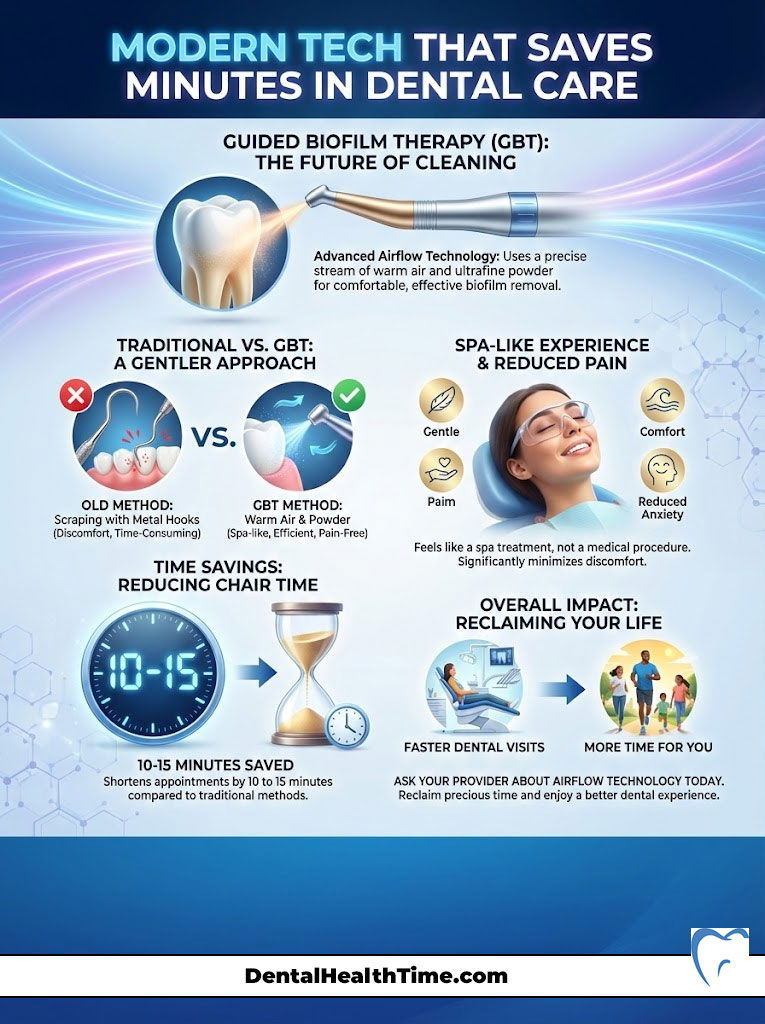
It feels like a spa treatment rather than a medical procedure. Because it is so efficient, it can shave 10 to 15 minutes off your chair time. Ask your provider if they offer airflow technology.
New tech doesn’t just reduce pain; it gives you your day back.
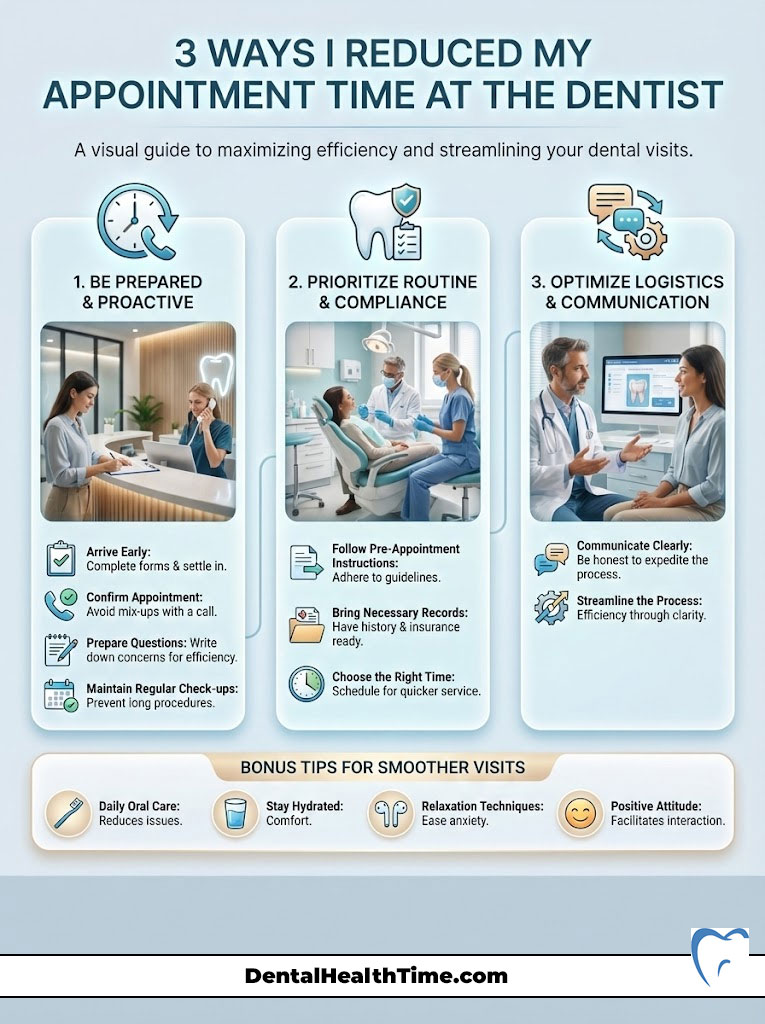
3 Ways I Reduced My Appointment Time
Nobody wants to hang out at the dentist longer than necessary. I learned a few essential tricks to speed up the process. It starts before you even sit down.
Be A Model Patient
- Update Online: Fill out forms digitally the night before.
- The “Tartar Tax”: Floss daily to prevent stubborn buildup.
- Arrive Early: Be in the chair when the slot starts, not in the lobby.
When To Expect Delays
Sometimes, a long wait is unavoidable. If you have sensitive teeth, the hygienist must work slower to keep you comfortable. High anxiety can also extend the duration as the team pauses to let you breathe.
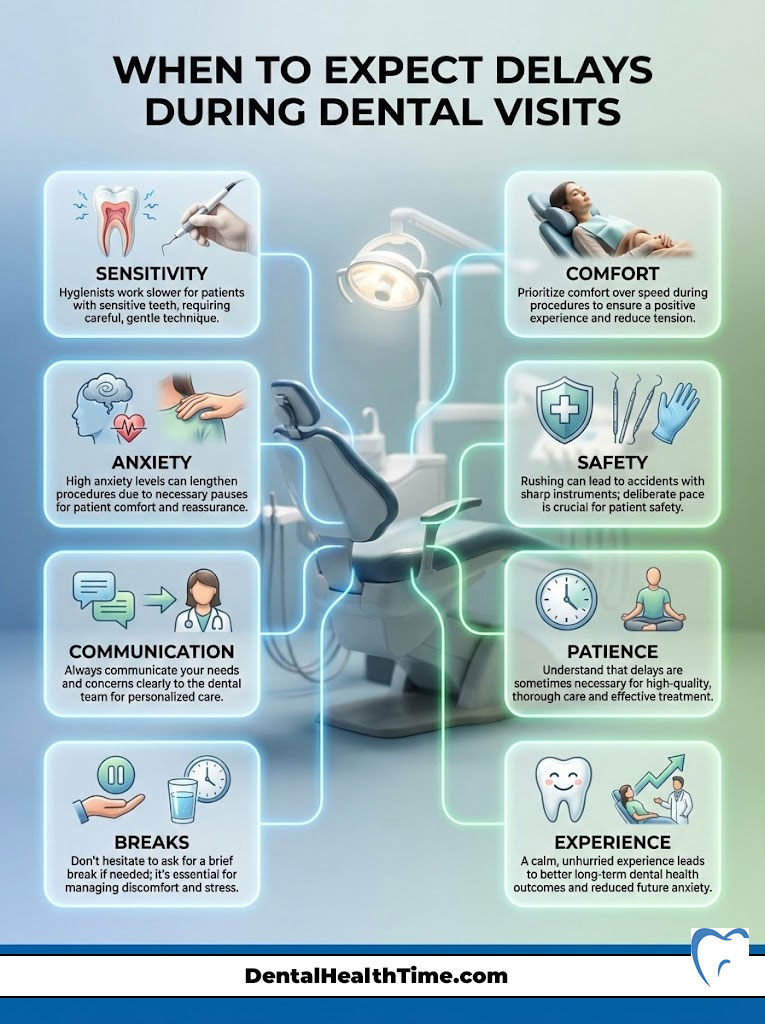
Never rush a medical professional who is holding sharp instruments.
If you need a break, ask for one. It is better to add five minutes to the clock than to suffer through a terrifying experience in silence.