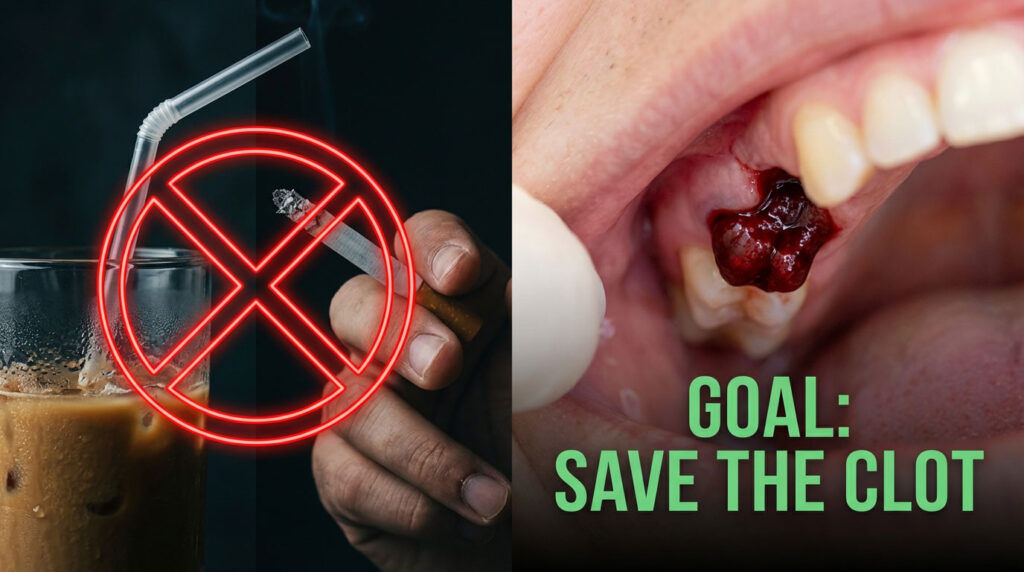

You have just walked out of the oral surgeon’s office with your mouth numb and a piece of gauze clamped firmly between your teeth. The hard part—the surgery itself—is technically over. Yet for many patients, the anxiety is just beginning as the anesthesia wears off. You have likely heard the horror stories about the excruciating pain of an empty socket, and now your primary focus is keeping that wound safe. Understanding how to prevent dry socket is the single most important factor in your recovery journey over the next week.
Table of Contents
It is not just about luck or the skill of your dentist. Preventing this condition requires strict adherence to a specific set of rules during the critical healing window. While the extraction itself is the dentist’s job, knowing how to avoid dry socket is entirely up to you and how you manage your daily habits at home. The difference between a smooth recovery and two weeks of agony often comes down to small decisions you make regarding suction, hygiene, and diet.
The reality is that dry socket prevention is a battle against physics and biology. It involves protecting a fragile biological seal against the mechanical forces of your own mouth. By following a strict 72-hour protocol and understanding exactly what actions put you at risk, you can drastically reduce the chances of complication. This comprehensive guide covers the essential rules, tips, and techniques you need to navigate the healing process safely.
Understanding the Blood Clot and Biology of Dry Socket Prevention
To strictly follow the rules, you first need to understand what you are trying to protect. The entire healing process relies on a single, fragile entity known as the blood clot. Without grasping the biology behind this “scab,” the rules might seem arbitrary. When you understand the physiological necessity of the clot, the precautions become non-negotiable.
Role of the Blood Clot as a Biological Bandage for Exposed Bone
When a tooth is removed, it leaves a significant hole in the jawbone. This is not merely a flesh wound; it is a trauma to the skeletal structure. Almost immediately, your body initiates a process called coagulation. Blood fills this void and thickens into a dark, jelly-like mass known as a thrombus.
This blood clot serves two critical functions. First, it acts as a biological bandage that covers the exposed bone and sensitive nerve endings. The jawbone is rich in nerve fibers, and when exposed to air, saliva, or food debris, the pain signal is direct and intense. Second, the clot serves as the foundational scaffolding for new tissue to grow. Specialized cells called fibroblasts migrate into the clot to begin laying down collagen, which eventually turns into new gum tissue and bone. If this clot is lost, dislodged, or dissolved, you are left with alveolar osteitis, exposing raw bone to the harsh environment of the oral cavity.
Dangers of Negative Intraoral Pressure and Suction
The most common way patients lose this clot is through suction. In medical terms, this is called negative intraoral pressure. Your mouth effectively acts as a sealed chamber. Whenever you suck on a straw, drag on a cigarette, or spit forcefully, you create a vacuum.
This vacuum pulls against the blood clot. Because the clot is only loosely attached to the gum walls in the first few days, this suction can rip it right out of the socket. The clot is not glued down; it is held in place by a delicate mesh of fibrin. Any pressure differential between the inside of the oral cavity and the atmospheric pressure outside can dislodge this mesh. Learning how to prevent dry socket is largely about neutralizing this vacuum effect and keeping the pressure in your mouth neutral.
Fibrinolysis: The Chemical Process That Dissolves Clots
Sometimes, the clot is not pulled out physically but dissolved chemically. This process is called fibrinolysis. It occurs when the body releases enzymes that break down the blood clot prematurely. Under normal circumstances, fibrinolysis is a healthy process that happens slowly as the wound heals. However, in cases of dry socket, this process accelerates aggressively.
This can be triggered by bacteria from poor hygiene or by hormonal fluctuations, specifically estrogen. When bacteria colonize the socket, they release kinases that activate the fibrinolytic system, dissolving the clot from the inside out. This is why dry socket prevention also involves chemical management through hygiene and awareness of specific risk factors like oral contraceptives.
The 72-Hour “No Suction” Rules to Prevent Dry Socket
The first three to five days are the “danger zone.” Clinical data suggests that the vast majority of dry socket cases occur within this window. Once the granulation tissue begins to replace the clot around day seven, the risk drops precipitously. To navigate this initial period safely, you must follow the “No Suction” protocol strictly.
Why Drinking Through a Straw Causes Dry Socket: The Vacuum Effect
Using a straw is arguably the single most dangerous action you can take after an extraction. Drinking through a straw requires significant muscle force to pull liquid up against gravity. This creates a powerful vacuum inside the mouth that targets the blood clot directly.
Many patients underestimate the force generated by a simple sip. Whether it is a thick milkshake or water, the seal your lips form around the plastic creates a high-pressure differential.
- The 7-Day Rule: Do not use a straw for at least 7 days. While some older advice suggests 24 hours, modern dental consensus leans towards a full week to ensure the clot has fully organized into granulation tissue.
- Practical Tip: Hide all straws in your house before your surgery so you do not grab one out of habit. It is a muscle memory action for many people, especially when ordering iced coffee or fast food. Drink directly from the cup or use a spoon for thicker drinks like smoothies.
- Why 7 Days? While the risk drops after 3 days, the clot is still stabilizing. How to avoid dry socket requires patience, so give yourself a full week buffer.
Risks of Smoking After Tooth Extraction and Vaping Nicotine
Smokers face a double threat. First, the physical act of inhaling creates suction similar to a straw. Second, nicotine is a potent vasoconstrictor. It shrinks the tiny blood vessels in the gums, reducing the blood supply needed to form and maintain the blood clot.
When you smoke, carbon monoxide enters the bloodstream and displaces oxygen. Oxygen is the fuel required for cell regeneration. Without adequate oxygen perfusion in the gum tissue, the fibroblasts cannot do their job, and the clot fails to anchor.
- Vaping After Wisdom Teeth Removal: Many patients ask about vaping as an alternative. However, vaping often requires a harder drag (more suction) than a traditional cigarette to activate the heating element in the device. This makes vaping just as dangerous, if not more so. The chemicals in vape juice, specifically propylene glycol, can also dry out the oral mucosa, further inhibiting healing.
- Weed Consumption Risks: Smoking after tooth extraction includes cannabis. The suction and dry mouth (cottonmouth) associated with marijuana use significantly increase the risk of the clot peeling away from the gum walls. The heat from the smoke can also cause thermal injury to the delicate fibrin mesh.
Preventing Clot Loss by Avoiding Spitting
We are conditioned to spit out toothpaste or blood after dental work. However, the action of pursing your lips and forcing air out creates pressure that can dislodge the blood clot. This is one of the most common mistakes patients make in the first 24 hours. They taste blood, panic, and spit forcefully, inadvertently causing the very complication they are trying to avoid.
- The Zombie Drool Technique: To prevent dry socket, do not spit. Instead, lean over the sink, open your mouth, and let gravity pull the fluid out. It may feel messy, but it is the safest way to clear your mouth. Gently wipe any remaining fluid from your lips with a tissue. This ensures that the pressure inside your mouth remains equal to the pressure outside, keeping the clot safe.
Hygiene Tips to Prevent Dry Socket While Sneezing or Coughing
You cannot stop breathing, sneezing, or eating. However, you must modify these behaviors to ensure dry socket prevention during the healing phase. Involuntary bodily functions can be hazardous if not managed with specific techniques.
Can Sneezing Cause Dry Socket? The Open Mouth Technique
A sneeze is a violent explosion of air pressure. When you sneeze, air is expelled from the lungs at speeds of up to 100 miles per hour. If you suppress a sneeze (pinch your nose) or sneeze with your lips sealed tight, that pressure has nowhere to go but into your sinuses and mouth. This sudden burst of positive pressure can pop the blood clot out of place like a cork from a champagne bottle.
- The Open Mouth Strategy: If you feel a sneeze coming, stop what you are doing and open your mouth as wide as possible. Let the sneeze exit through your open mouth. This dissipates the pressure and protects the extraction site. This is a critical tip for prevent dry socket after wisdom teeth removal, especially since the upper wisdom teeth roots are often very close to the sinus floor.
Safe Rinsing Protocols with Salt Water and Chlorhexidine
Keeping the site clean is vital to stop bacteria from triggering fibrinolysis. However, vigorous swishing is dangerous. The mechanical turbulence of water rushing back and forth can wash the clot away before it anchors.
- Timing for Rinsing: Do not rinse at all for the first 24 hours. Let the blood clot solidify. During this initial phase, the clot is jelly-like and extremely vulnerable.
- The Head Tilt Method: After 24 hours, use warm salt water. Do not swish your cheeks. Instead, tilt your head side to side like a washing machine agitator. Let the water roll over the site gently, then use the gravity method to let it fall out into the sink. This cleans the area without hydraulic pressure.
Using Chlorhexidine Gluconate Mouthwash for Prevention
For high-risk cases, such as impacted wisdom teeth or patients with a history of smoking, dentists often prescribe chlorhexidine gluconate. This is a powerful antimicrobial mouth rinse that kills bacteria on contact and has a residual effect, keeping the mouth clean for hours.
- Clinical Data: Research shows that using chlorhexidine before and after surgery can reduce the risk of alveolar osteitis by up to 38%. It works by reducing the bacterial load that would otherwise release enzymes to dissolve the clot.
- Proper Usage: Follow your surgeon’s instructions strictly. Usually, this involves gentle rinsing twice a day. This chemical defense is a powerful tool in your how to prevent dry socket arsenal. Note that chlorhexidine can cause temporary staining of the teeth, but this can be cleaned off by a dentist later and is a small price to pay for preventing bone pain.
Checklist for Hygiene Do’s and Don’ts to Avoid Dry Socket
| Action Category | DO THIS (Prevents Dry Socket) | AVOID THIS (Causes Dry Socket) |
| Rinsing Technique | Gentle head-tilt (gravity rinse) after 24 hours. | Vigorous swishing or gargling immediately. |
| Brushing Teeth | Brush front teeth carefully; avoid the site. | Brushing the extraction hole directly. |
| Drinking Fluids | Sip from a cup or use a spoon for smoothies. | Drinking through a straw (High Risk). |
| Sneezing Safety | Sneeze with mouth wide open. | Stifling, pinching nose, or holding a sneeze. |
| Spitting Habits | Let fluid drool out into sink (Gravity Method). | Forceful spitting (creates vacuum). |
High Risk Factors: Oral Contraceptives and Mandibular Extractions
Some patients do everything right and still develop complications because of their biological profile. If you fall into these categories, you must be hyper-vigilant about how to avoid dry socket. Understanding your inherent risk level allows you to take extra precautions.
Impact of Estrogen and Oral Contraceptives on Clot Stability
Hormones play a significant role in wound healing. Estrogen activates the fibrinolytic system, which is the body’s mechanism for dissolving clots. This means women taking oral contraceptives (birth control pills) are at a significantly higher risk compared to those who are not.
The elevated estrogen levels from the pill mimic the body’s state during certain phases of the menstrual cycle, increasing the production of plasminogen, which breaks down fibrin (the mesh holding the clot together).
- Strategic Scheduling: If you have the flexibility, try to schedule your extraction during the last week of your menstrual cycle (days 23 through 28). Estrogen levels are typically lowest during this phase, which may help the blood clot remain stable.
- Statistics: Women on birth control have a 20% to 30% higher incidence rate of dry socket. If you are on the pill, be extra strict with the no straw rule and consider asking your dentist about using chlorhexidine rinse preventatively.
Preventing Dry Socket After Wisdom Teeth Removal in the Mandible
Anatomy matters. The lower jaw, or mandible, is physiologically different from the upper jaw, or maxilla. The bone in the mandible is much denser (cortical bone) and has a poorer blood supply compared to the spongy, vascular bone of the upper jaw.
Because blood supply is essential for delivering the nutrients and cells needed for clot formation and healing, lower extractions are inherently riskier.
- Lower Jaw Risks: Prevent dry socket after wisdom teeth removal is most critical for lower teeth. The incidence rate for impacted mandibular molars is the highest of all extraction types, sometimes reaching up to 30% in difficult cases.
- Recovery Adjustment: If you had a difficult lower extraction, consider extending your “soft food” and “no suction” timeline by an extra two days compared to a friend who only had upper teeth removed. The healing timeline is simply slower in the mandible.
Harm Reduction Strategies: How to Smoke Without Getting Dry Socket
The absolute best way to avoid dry socket is to stop smoking after tooth extraction for at least 72 hours. This gives the clot enough time to undergo initial organization. However, for those with heavy nicotine dependence, cold turkey withdrawal can lead to agitation, anxiety, and elevated blood pressure, which can complicate recovery in other ways.
Nicotine Replacement Therapy to Avoid Suction Risks
If you absolutely cannot quit for three days, you must use harm reduction strategies. Note that this does not eliminate risk, but it may reduce it.
- Patch Over Puff: This is the safest option. Use nicotine patches. They deliver the chemical your body craves without the heat, smoke, or suction that destroys the blood clot. It satisfies the chemical addiction while bypassing the mechanical danger.
Using the Wet Gauze Shield Technique for Smokers
If you choose to smoke, using a physical barrier is a common harm reduction technique. Place a wet sterile gauze pad over the extraction site. Bite down gently to create a seal. This acts as a physical barrier against the smoke and heat.
The wet gauze helps to cool the smoke slightly and prevents the direct stream of toxins from hitting the open wound. However, it does not stop the systemic effects of nicotine.
- Gentle Inhalation: Do not drag hard. Inhale as loosely and gently as possible to minimize the suction force. Treat the cigarette like it is incredibly fragile.
- Immediate Cleanse: Once you are done, gently rinse with salt water or chlorhexidine to remove toxic residue from the mouth. Smoke leaves a tarry residue that can coat the wound and encourage bacterial growth; rinsing helps mitigate this.
Is There a Safe Way to Smoke After Tooth Extraction?
We must be clear: there is no guaranteed safe method regarding how to smoke without getting dry socket. Every cigarette rolls the dice. The combination of carbon monoxide lowering blood oxygen and the physical vacuum effect is a recipe for clot failure. However, avoiding the “hard drag” is the most controllable variable you have. If you can make it past the 72-hour mark without smoking, your odds of success improve dramatically.
Foods to Eat and Avoid to Prevent Dislodging the Blood Clot
Your body needs fuel to build new tissue, but the wrong fuel can destroy the work you have done. Eating the wrong thing is a mechanical hazard.
Foods to Avoid That Can Cause Dry Socket
Texture is just as important as temperature when planning your diet. You want to avoid anything that requires chewing force or creates sharp debris.
- Seeds and Grains Risks: Avoid sesame seeds, poppy seeds, rice, and quinoa. These small particles act like gravel. They are the perfect size to fall into the socket and irritate the blood clot. Once lodged, they can cause inflammation that leads to clot rejection.
- Crunchy Snacks Dangers: Popcorn, chips, and nuts are forbidden. The sharp edges of a potato chip can slash the delicate gum tissue, and popcorn husks are notorious for sliding between the gum and the tooth, causing infection.
- Temperature Warnings: Avoid hot coffee or hot soup for the first 48 hours. Heat causes vasodilation (widening of blood vessels), which can cause the clot to dissolve or bleed excessively. Stick to lukewarm or cold liquids to keep inflammation down.
Physical Activity Restrictions to Prevent Bleeding
You might feel fine, but your blood pressure tells a different story. Recovery is not just about the mouth; it is about the whole body system.
- The Gym Rule: Avoid heavy lifting, running, or intense cardio for 3 to 4 days. When you exercise, your systolic blood pressure rises. Since the clot is only held in place by a weak fibrin mesh, a spike in blood pressure can literally push the clot out of the socket, causing the site to start bleeding again.
- Bending Over: Avoid bending over to pick things up or tie your shoes. Keep your head above your heart to prevent the “throbbing” sensation that puts pressure on the socket. This postural change increases intracranial and intraoral blood pressure.
Timeline of Safe vs. Dangerous Foods for Recovery
| Recovery Phase | Safe Foods (Eat Freely) | Danger Foods (Strictly Avoid) |
| Days 1-2 | Yogurt, Apple Sauce, Smoothies (Spoon), Broth. | Hot Soup, Soda, Alcohol, Spicy Food. |
| Days 3-5 | Mashed Potatoes, Scrambled Eggs, Oatmeal. | Rice, Quinoa, Strawberries (Seeds). |
| Days 5-7 | Soft Pasta, Pancakes, Soft Fish, Mac & Cheese. | Popcorn, Chips, Nuts, Sticky Candy. |
| Day 7+ | Return to normal diet gradually. | Crunchy food on extraction side. |
Lifestyle Adjustments for Optimal Healing
Beyond the mechanical rules of the mouth, your overall lifestyle and environment play a role in how fast you heal and how well you prevent dry socket.
Sleep Position and Environment
How you sleep affects your blood pressure and swelling. For the first three nights, sleep with your head elevated on extra pillows. This uses gravity to reduce facial swelling and throbbing. Lying completely flat allows blood to pool in the head, which can increase the pressure at the extraction site.
Additionally, consider the humidity in your room. If you sleep with your mouth open, your oral tissues can dry out, which is detrimental to the healing mucosa. Using a humidifier in your bedroom can keep the air moist, preventing the socket from drying out overnight.
Managing Stress and Cortisol
It may seem unrelated, but stress levels impact wound healing. High cortisol levels can suppress the immune system and slow down the migration of fibroblasts to the wound site. Take the few days off work seriously. Rest is not just about being lazy; it is a metabolic necessity for rebuilding tissue.
Hydration Without Suction
Dehydration leads to thicker blood and poor saliva production. Saliva contains important enzymes and antibodies that fight bacteria in the mouth. Drink plenty of water to keep your saliva thin and protective. Just remember the golden rule: sip from the glass, never from a straw.
Troubleshooting: When to Call the Dentist
Even with the best prevention methods, complications can happen. Knowing the difference between normal recovery pain and dry socket pain is crucial for getting timely treatment.
Differentiating Normal Pain from Dry Socket
Normal surgical pain tends to be highest on the day of surgery and the day after. It is usually a dull, throbbing ache that responds well to Ibuprofen or Tylenol. It gets a little better every day.
Dry socket symptoms, on the other hand, follow a different timeline. You may feel fine on days one and two. Then, suddenly, on day three or four, the pain spikes intensely. It is often described as a deep, radiating pain that travels from the jaw to the ear, temple, or eye. If your pain medication was working and suddenly stops working, this is a red flag.
Visual Checks
If you are brave enough to look, a healthy socket will have a dark scab or creamy white granulation tissue inside. A dry socket looks like a “black hole” or a deep void, sometimes with whitish bone visible at the bottom. If you see this void accompanied by a foul taste or bad breath, call your dentist. They can pack the socket with a medicated dressing that provides almost instant relief.
Summary & Key Takeaways for Dry Socket Prevention
Preventing complications is a short-term sacrifice for long-term comfort. The first 72 hours are the defining period. If you can make it past Day 4 with your blood clot intact, you have likely won the battle.
- Respect the Clot: Treat the blood clot like a precious gem. It is the only thing standing between you and bone pain.
- Zero Suction: No straws, no smoking after tooth extraction, and no forceful spitting. This is the golden rule of dry socket prevention.
- Hygiene Matters: Use chlorhexidine or salt water, but only with the gentle head-tilt method to avoid mechanical disruption.
- Watch the Mandible: Be extra careful if you had lower wisdom teeth removed, as the anatomy works against you.
If you develop a throbbing pain that radiates to your ear or neck around Day 3, despite your best efforts to prevent dry socket, contact your dentist immediately. Prevention is the goal, but early treatment is the backup plan.
Frequently Asked Questions (FAQ)
How long do I need to avoid straws to prevent dry socket?
You should strictly avoid drinking through a straw for at least 7 days. While the primary risk window is the first 72 hours, the blood clot remains vulnerable to strong suction forces for a full week. After 7 days, the granulation tissue is usually established enough to withstand mild suction.
Can I smoke if I cover the extraction site with gauze?
Covering the site with wet gauze can reduce the direct impact of heat and smoke on the blood clot, but it is not 100% safe. The nicotine still causes vasoconstriction, which slows healing. It is a harm reduction method, not a guarantee of dry socket prevention.
Does spitting or rinsing vigorously cause dry socket?
Yes, absolutely. Vigorous rinsing creates turbulence, and spitting creates a vacuum ( suction). Both can physically wash or pull the blood clot out of the socket. Always use the gravity “drool” method for the first few days.
Can sneezing or coughing dislodge the blood clot?
Yes. A suppressed sneeze creates massive internal pressure that can dislodge the clot. To prevent dry socket after wisdom teeth removal, always sneeze with your mouth wide open to equalize the pressure.
Is it possible to prevent dry socket 100% of the time?
No prevention method is 100% guaranteed. Biological factors like dense bone, difficult surgery, or age can lead to dry socket even with perfect care. However, following these rules reduces your risk from approximately 30% (in high-risk cases) to around 2%.
When is the risk of dry socket over?
The highest risk is between Day 2 and Day 5. Once you have passed the 7-day mark and granulation tissue has begun to cover the blood clot, the risk of developing dry socket drops significantly. The gum tissue will fully close over the socket in about 3 to 4 weeks.
Does salt water prevent dry socket?
Salt water itself does not “glue” the clot in, but it prevents infection. Bacteria can trigger fibrinolysis (clot dissolving). By gently rinsing with salt water, you reduce the bacterial load, which helps the blood clot survive. Make sure the water is warm, not hot.
Can I drink soda after tooth extraction?
You should avoid carbonated beverages for at least 48 to 72 hours. The bubbles can irritate the site, and the acidity can weaken the blood clot. If you do drink soda later, do not use a straw and ensure it is not ice cold.
How do I prevent dry socket while sleeping?
Sleep with your head elevated on extra pillows for the first 3 nights. This reduces blood pressure in the head and minimizes throbbing. Also, avoid sleeping on the side of the extraction to prevent putting pressure on the jaw or heating up the area against the pillow.
Can stress cause dry socket?
Indirectly, yes. Stress can weaken the immune system and raise blood pressure, which may affect healing. However, mechanical factors like smoking or using straws are much more direct causes. Relaxing and taking time off work helps your body focus resources on repair.
Disclaimer: The information provided in this article is for educational purposes only and does not constitute medical advice. If you are experiencing severe pain, uncontrolled bleeding, or signs of infection after a tooth extraction, please consult your dentist or oral surgeon immediately.
References:
- Journal of Oral and Maxillofacial Surgery. “Incidence and Risk Factors for Alveolar Osteitis.”
- American Association of Oral and Maxillofacial Surgeons (AAOMS). “Post-Operative Instructions for Extractions.”
- Cochrane Database of Systematic Reviews. “Chlorhexidine for the prevention of alveolar osteitis.”
- British Dental Journal. “Smoking and wound healing in the oral cavity.”