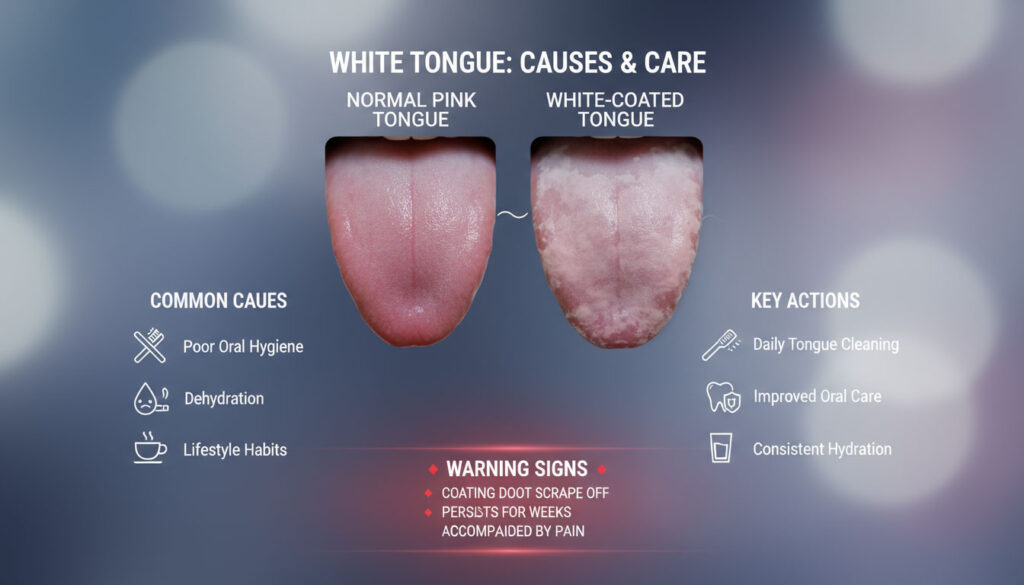

It’s a common moment of mild panic. You lean into the bathroom mirror, perhaps while brushing your teeth, and notice something off. Your tongue, usually a healthy shade of pink, is covered in a strange white film. Questions immediately flood your mind. Am I sick? Is this something serious? What is causing this?
A white tongue is most often a harmless condition where a coating of debris, bacteria, and dead cells builds up on your tongue’s surface, causing it to look white. Answering the question of why is my tongue white usually involves looking at simple lifestyle factors like oral hygiene or dehydration. However, it can sometimes be a signal from your body about an underlying medical issue, such as an infection or irritation.
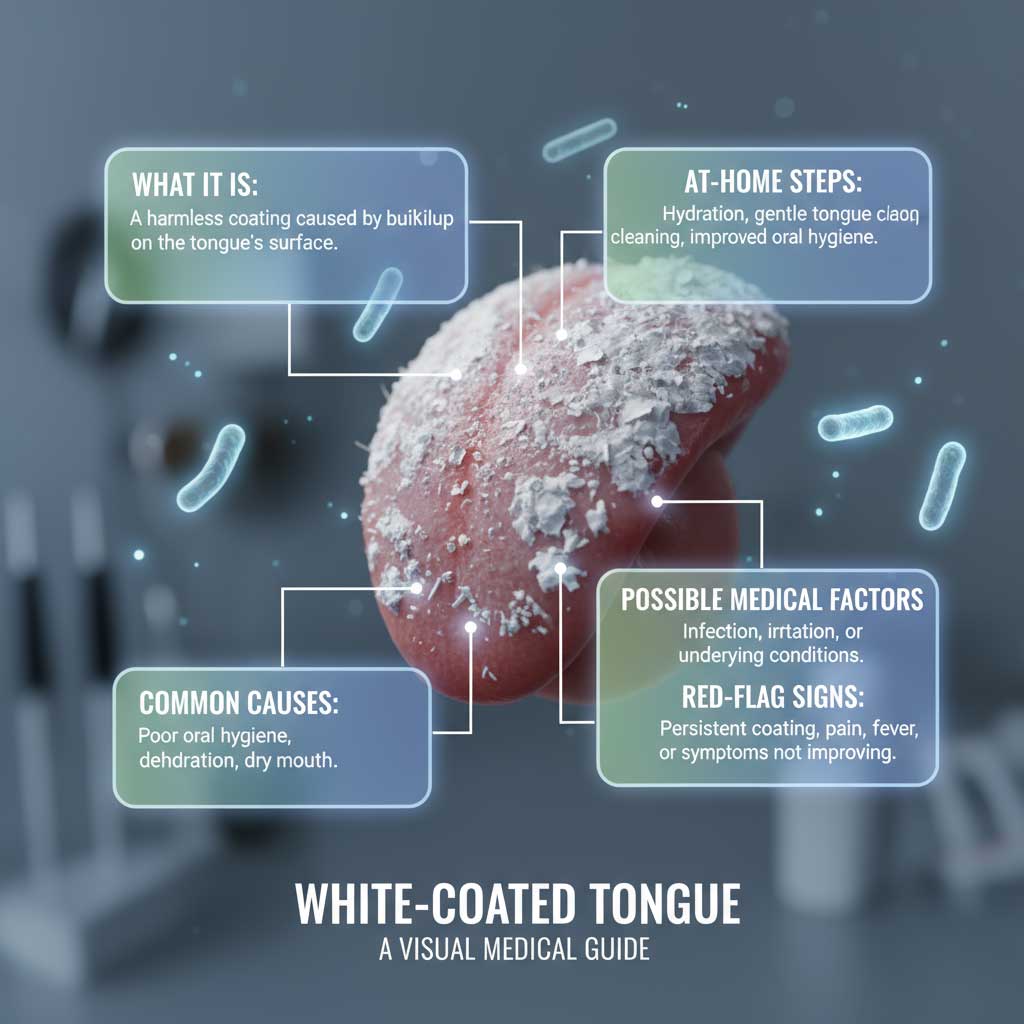
This comprehensive guide will walk through everything you need to know about a white coated tongue. We’ll cover the common, everyday causes, explain the medical conditions to be aware of, provide a step by step plan to treat it at home, and clearly define the red flags that mean it’s time to see a doctor. You will understand the causes, the treatments, and gain the peace of mind that comes with knowledge.
Understanding the Basics: What Exactly Is a White Coated Tongue?
Before diving into the causes of a white tongue, it helps to understand the anatomy of your tongue. Its surface isn’t smooth; it’s covered in tiny bumps called papillae. These structures house your taste buds and provide a rough texture that aids in eating and speaking.
A Closer Look at Your Tongue’s Surface
The papillae on your tongue have a natural life cycle, and they can sometimes become inflamed or swollen. When this happens, their surface area increases, creating a perfect net to trap microscopic particles. The white coated tongue you see is actually a biofilm, a complex mixture of bacteria, food debris, fungi like Candida, and dead epithelial cells from the lining of your mouth.
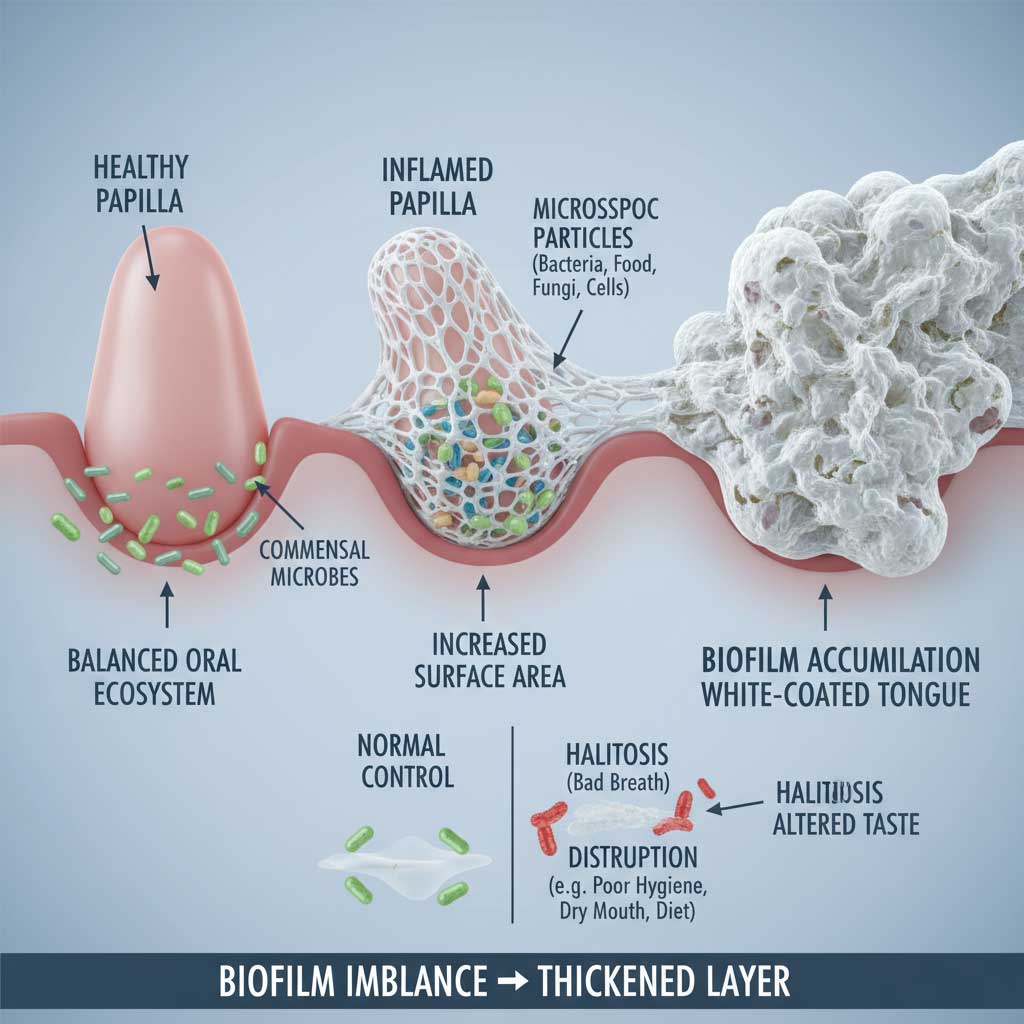
This buildup is why understanding the reasons behind a white tongue is so crucial for your oral health. When this biofilm is left undisturbed, it can contribute to bad breath (halitosis) and an altered sense of taste. A healthy oral ecosystem keeps this biofilm in check, but certain factors can disrupt this delicate balance.
Is a White Tongue Ever Considered Normal?
In some situations, a mild white tongue can be considered normal. Many people experience what is often called “morning tongue.” During sleep, your saliva production naturally decreases. Since saliva is your mouth’s primary cleansing agent, this reduction allows bacteria and dead cells to accumulate overnight, resulting in a thin white film upon waking.
Typically, this morning coating on your white tongue is not a cause for concern. It should brush or scrape away easily and not return immediately after your morning oral hygiene routine and a glass of water. A persistent or thick white coated tongue that remains throughout the day, however, points to other contributing factors.
The Most Common Culprits: Lifestyle Factors Behind a White Tongue
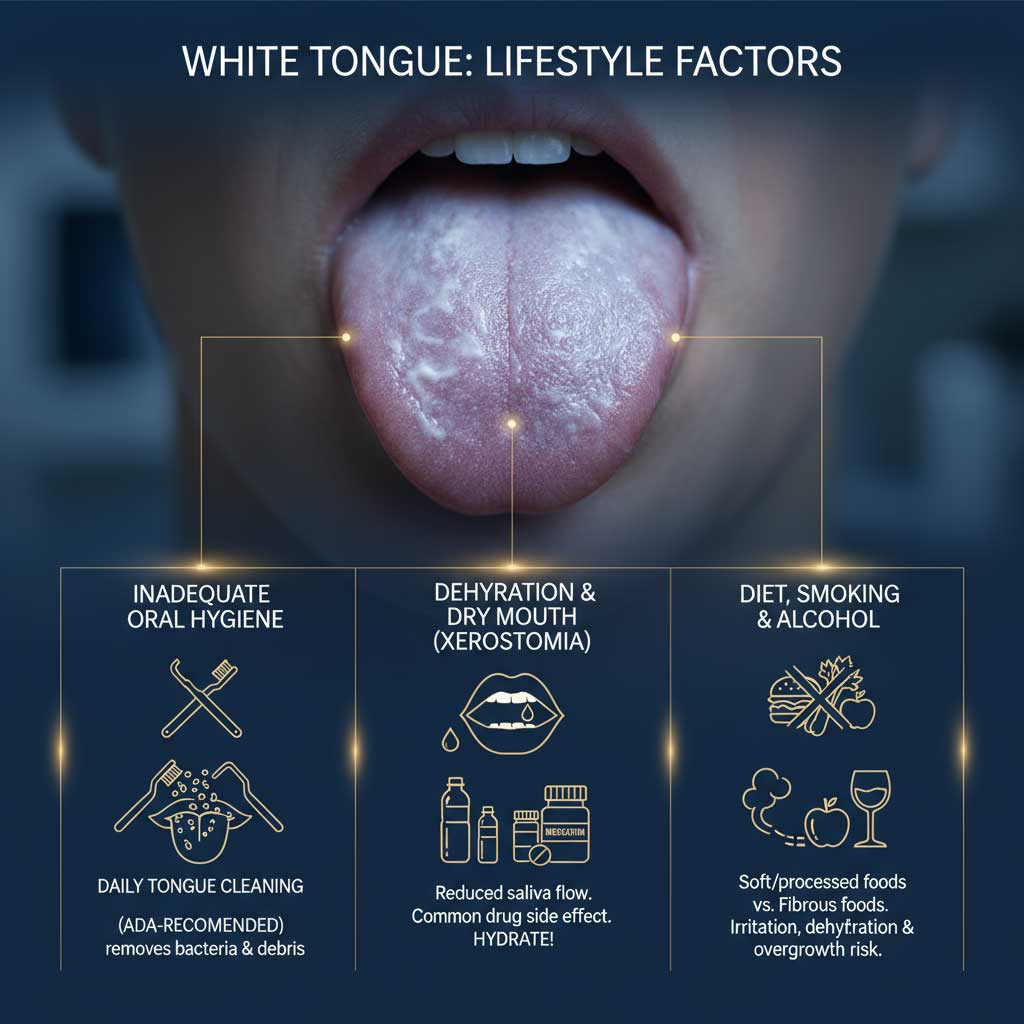
More often than not, the answer to why is my tongue white lies in your daily habits. These common lifestyle factors are easily correctable and represent the first area to examine when you notice changes in your tongue’s appearance.
Oral Hygiene Habits: The Number One Cause
The most frequent reason for a white tongue is simply inadequate oral hygiene. While most people are diligent about brushing their teeth, the tongue is often overlooked. Failure to clean your tongue allows the biofilm of bacteria and debris to thicken and become more visible.
The American Dental Association (ADA) emphasizes comprehensive oral care, which includes cleaning your tongue daily. This simple act disrupts the buildup, removes odor causing bacteria, and helps maintain a healthy oral environment. If you’ve been neglecting this step, it is the most likely reason for your white tongue.
Dehydration and Dry Mouth (Xerostomia)
Saliva is your mouth’s unsung hero. It plays a critical role in washing away food particles, neutralizing harmful acids, and fighting off bacteria. When you are dehydrated, your body conserves water, leading to reduced saliva production and a condition known as dry mouth, or xerostomia. A dry mouth and white tongue often go hand in hand.
This dry environment is an ideal breeding ground for bacteria to multiply unchecked, leading to a thicker white coated tongue. Many common medications, particularly those for allergies, high blood pressure, and depression, list dry mouth as a side effect, making this a prevalent issue, especially among older adults. A persistent dry mouth and white tongue should prompt a review of your hydration habits and medications with your doctor.
Your Diet, Smoking, and Alcohol Intake
What you consume has a direct impact on your oral health. A diet consisting mainly of soft or processed foods does not provide the natural mechanical cleaning that crisp, fibrous foods like apples and carrots do. These abrasive textures help scrub the tongue’s surface as you chew.
Smoking and vaping are significant contributors to a white tongue. The heat and chemical irritants in tobacco smoke can inflame the papillae, making them more likely to trap bacteria and stain. The Centers for Disease Control and Prevention (CDC) consistently links tobacco use to a host of oral health problems, including this discoloration.
Alcohol consumption contributes in two main ways. It acts as a diuretic, leading to dehydration and dry mouth. It also serves as an irritant to the mucous membranes in your mouth, which can exacerbate the conditions that lead to a white tongue.
When to Worry: Medical Conditions That Can Cause a White Tongue
While lifestyle factors are the most common cause, sometimes a persistent white tongue can be a symptom of an underlying medical condition. It’s important to recognize these signs, as they may require professional diagnosis and treatment. This is where understanding why is my tongue white becomes crucial for your overall health.
Oral Thrush (Candidiasis): A Fungal Overgrowth
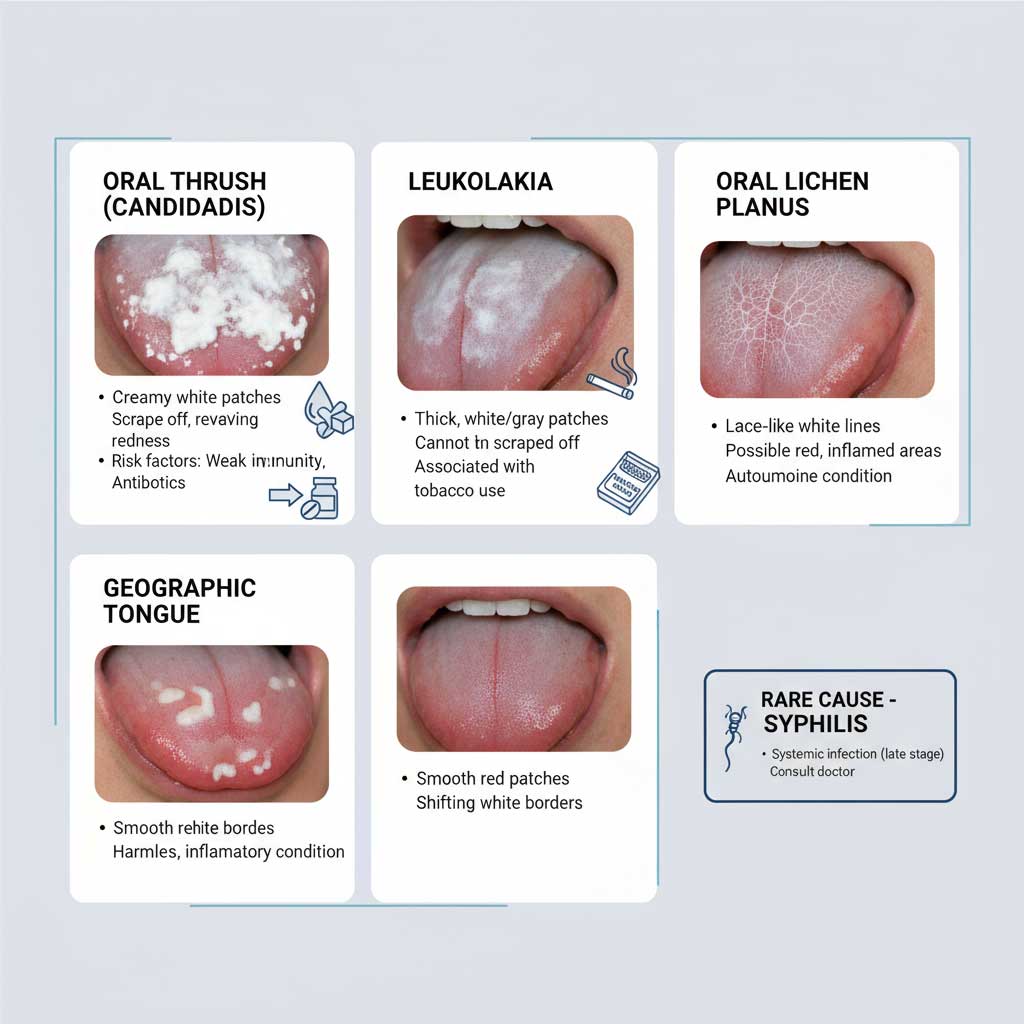
One of the most well known medical causes of a white tongue is oral thrush, also known as oral candidiasis. This condition is an overgrowth of the Candida albicans yeast, a fungus that normally lives in your mouth in small, harmless amounts. Certain factors can disrupt the oral microbiome, allowing this yeast to multiply.
An oral thrush white tongue often has a distinct appearance: creamy, white, slightly raised lesions that resemble cottage cheese. If you try to scrape these patches off, they may reveal a red, inflamed, and sometimes bleeding surface underneath. Individuals with weakened immune systems, those with diabetes, or people who have recently taken a course of antibiotics are at a higher risk of developing oral thrush.
Leukoplakia: Thick, White Patches That Won’t Scrape Off
A key diagnostic question is, “Can you scrape the white stuff off?” If the answer is no, you could be dealing with leukoplakia. This condition presents as thick, white, or grayish patches on the tongue, gums, or inside of the cheeks that are firmly attached to the tissue.
Leukoplakia is strongly associated with chronic irritation, most notably from tobacco use, including smoking and chewing tobacco. While most cases of leukoplakia are benign, the Oral Cancer Foundation notes that some patches can show precancerous changes. Therefore, any non removable white patch in your mouth warrants an immediate evaluation by a dentist. Answering why is my tongue white even after scraping often points toward this condition.
Oral Lichen Planus: An Inflammatory Condition
Oral lichen planus is a chronic inflammatory condition that can affect the mucous membranes inside your mouth. It can appear in several forms, but a common presentation on the tongue is a lace like network of fine white lines. It can also cause red, swollen tissues or even open sores, leading to a white tongue and sore throat.
The exact cause of oral lichen planus is not fully understood, but it is believed to be related to an immune system disorder. While there is no cure, a dentist or doctor can prescribe treatments to manage painful symptoms.
Geographic Tongue and Other Less Common Causes
Geographic tongue is a harmless, inflammatory condition that gives the tongue a map like or geographic appearance. It presents as smooth, red “islands” on the tongue, often with slightly raised white borders. These patches can change location, size, and shape over time. While it might look alarming, it is not contagious or cancerous.
In very rare instances, a white tongue can be a symptom of a systemic issue like syphilis. This underscores the importance of a professional diagnosis if a white coated tongue persists without a clear cause.
White Tongue Causes at a Glance: A Comparison Table
To help differentiate between the most common causes, this table provides a side by side comparison of their key features. Understanding these distinctions is a critical step to get rid of white tongue effectively.
| Feature | Oral Thrush (Candidiasis) | Leukoplakia | Dehydration/Poor Hygiene |
| Appearance | Creamy, cottage cheese-like patches | Thick, flat, white patches | A thin, uniform white film |
| Can it be scraped off? | Yes, often leaving a red, sore area | No, it is firmly attached | Yes, usually with ease |
| Associated Symptoms | Loss of taste, cottony feeling | Typically painless | Bad breath, dry mouth |
| Primary Cause | Fungal (Candida) overgrowth | Chronic irritation (e.g., tobacco) | Bacterial/debris buildup |
The Action Plan: How to Get Rid of a White Tongue for Good
Once you have a better idea of why is my tongue white, you can take targeted steps to address it. For the majority of cases caused by lifestyle factors, a dedicated at home care routine can produce significant results and help you get rid of white tongue.
Foundational Steps: Mastering Your Oral Care Routine
The first and most important step in your white tongue treatment plan is to upgrade your daily oral hygiene. This goes beyond just brushing your teeth.
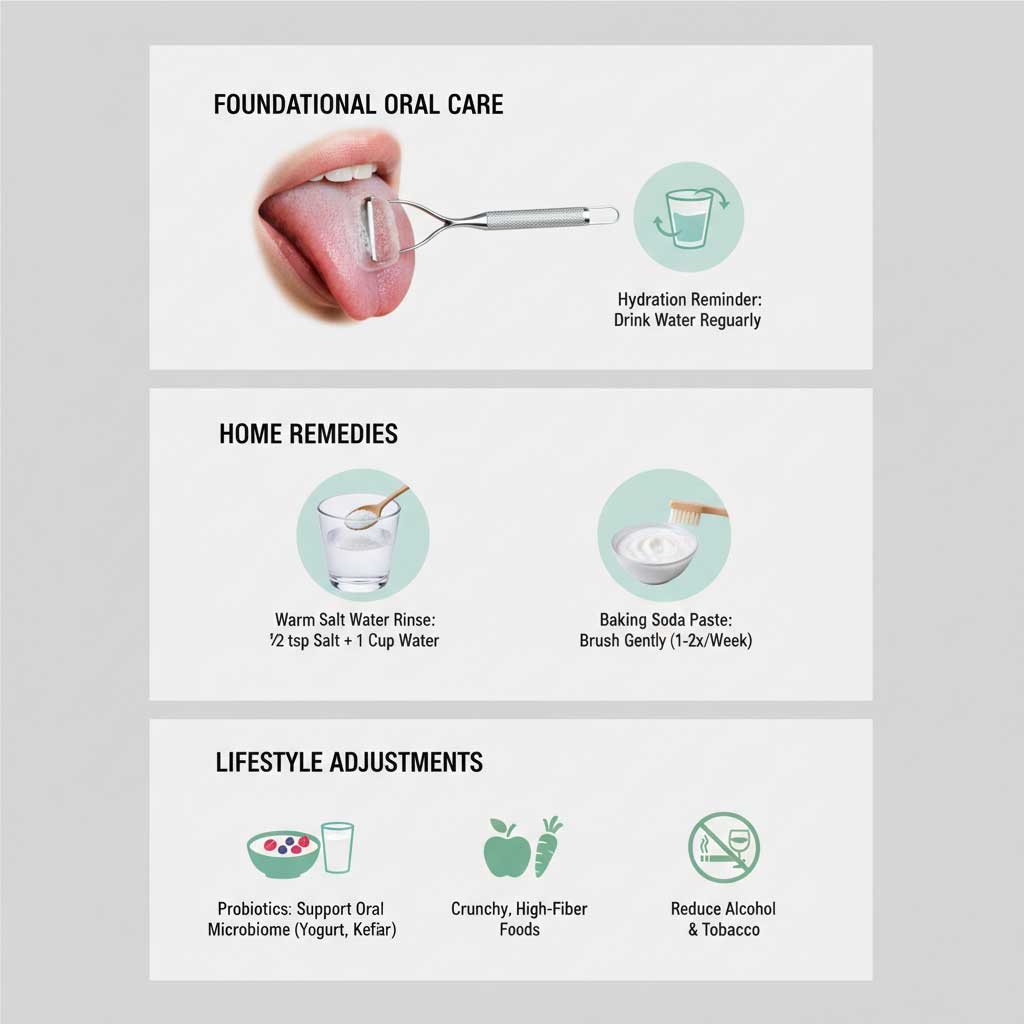
You must learn how to clean white tongue surfaces effectively. You can use your toothbrush for this, but many find a dedicated tongue scraper to be more efficient. Tongue scrapers, available in both metal and plastic, are designed to glide over the tongue’s surface and remove the biofilm layer. Start at the back of your tongue and gently pull the scraper forward. Rinse it after each pass. This simple addition can dramatically reduce the white appearance.
Proven Home and Natural Remedies
Several at home remedies can support your white tongue treatment efforts and help restore a healthy oral balance.
- Salt Water Rinse: Salt has natural antiseptic properties. Rinsing and gargling with a warm salt water solution (half a teaspoon of salt in a cup of warm water) can help reduce bacteria and soothe minor irritation.
- Baking Soda Paste: The gentle abrasiveness of baking soda can help scrub away the coating. Make a thin paste with baking soda and water, apply it to your toothbrush, and gently brush your tongue.
- Probiotics: An imbalance in your oral microbiome can contribute to a white tongue, especially if it’s related to oral thrush. Consuming probiotics from sources like yogurt, kefir, or supplements can introduce beneficial bacteria and help restore a healthy equilibrium.
Strategic Lifestyle and Diet Adjustments
To ensure your white tongue does not return, you must address the root causes. This involves making strategic changes to your daily habits.
Set reminders on your phone to drink water throughout the day to combat dehydration. Make a conscious effort to incorporate crunchy, high fiber foods like raw vegetables and fruits into your diet. If you use tobacco or drink alcohol regularly, consider cutting back or quitting. These lifestyle changes are a cornerstone of any long term white tongue treatment plan.
When to Call a Professional: Seeking Medical Treatment
While most cases of white tongue resolve with at home care, it is vital to know when it’s time to seek professional help. A persistent white tongue can be your body’s way of signaling a problem that needs medical attention.
The Red Flag Checklist: When to See a Doctor or Dentist
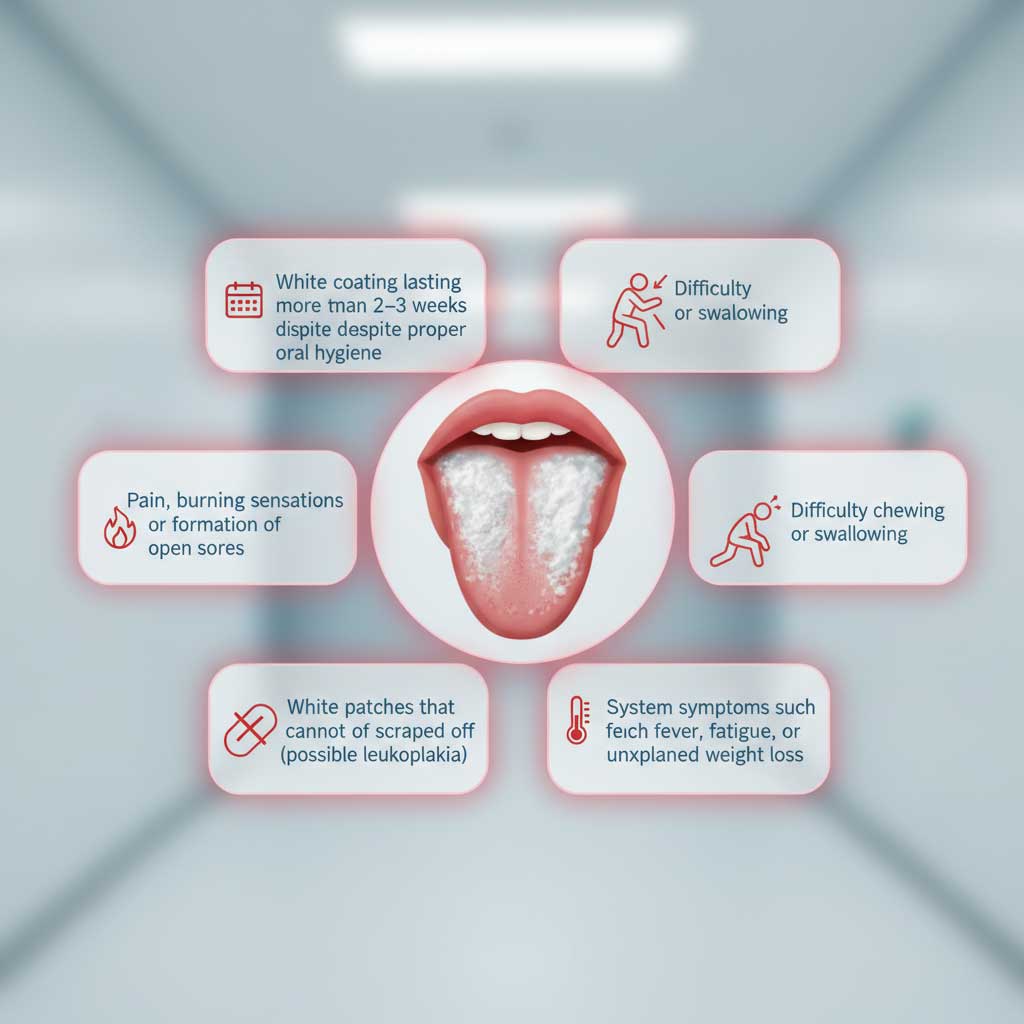
You should schedule an appointment with your doctor or dentist if you experience any of the following. This is a crucial step when trying to get rid of white tongue that doesn’t respond to simple measures.
- The white coating persists for more than two or three weeks despite good hygiene.
- Your tongue is painful, has a burning sensation, or develops open sores.
- You are unable to scrape the white patches off your tongue (a potential sign of leukoplakia).
- You have difficulty swallowing or chewing.
- You are experiencing other systemic symptoms, such as fever, fatigue, or unexplained weight loss.
What to Expect at Your Appointment
During your visit, your healthcare provider will perform a thorough visual examination of your mouth and tongue. They will ask about your medical history, lifestyle habits, and any medications you are taking. For suspected oral thrush, a simple culture swab might be taken. For suspected leukoplakia, a small tissue sample may be taken for a biopsy to rule out any serious conditions.
Overview of Medical Treatments
If your white tongue is caused by a medical condition, your doctor will prescribe a specific white tongue treatment.
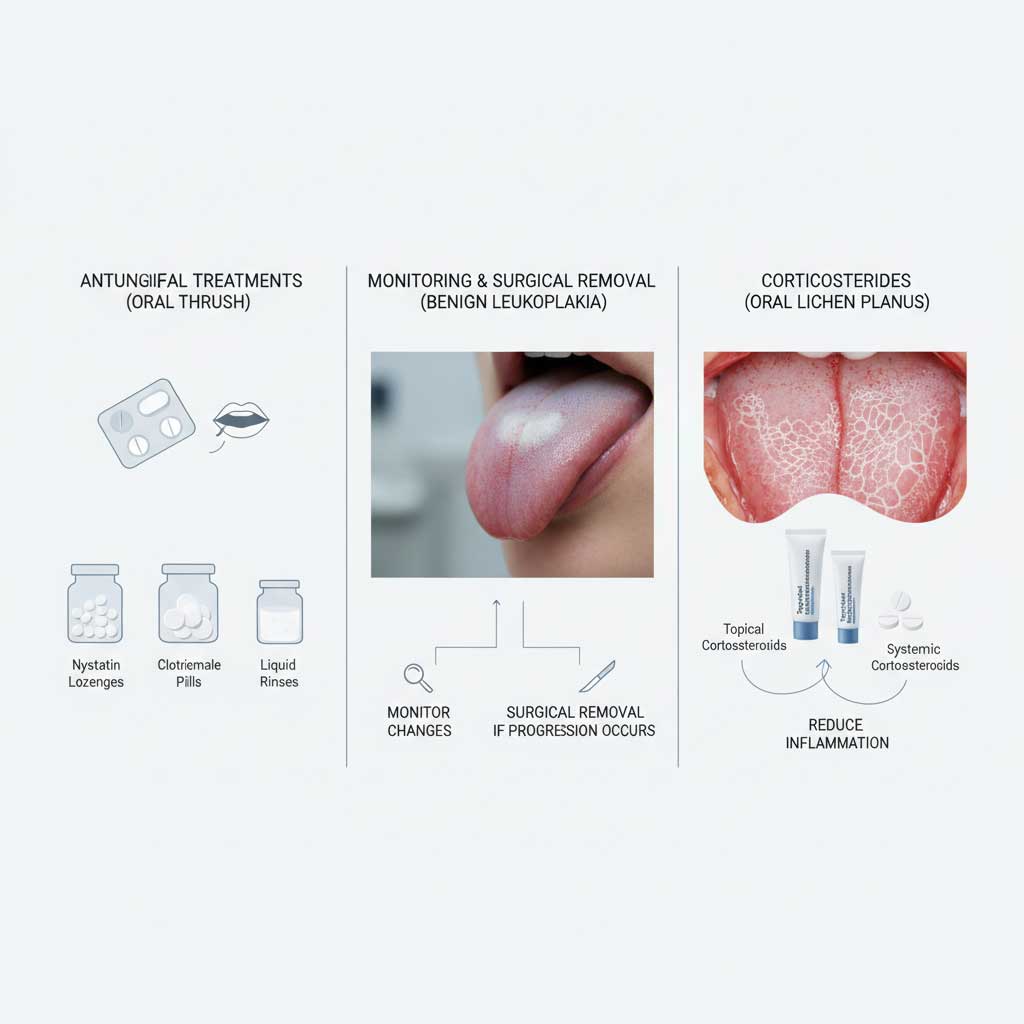
- Antifungals: For oral thrush white tongue, treatments like Nystatin or Clotrimazole, which come as lozenges, pills, or liquid rinses, are highly effective.
- Monitoring/Surgical Removal: Benign leukoplakia may simply be monitored, while patches showing signs of change might be surgically removed.
- Corticosteroids: For severe, symptomatic cases of oral lichen planus, a doctor may prescribe topical or systemic corticosteroids to reduce inflammation.
Summary & Key Takeaways
Discovering you have a white tongue can be unsettling, but in most cases, it is a simple fix related to your daily habits. The answer to the question why is my tongue white usually begins with an honest look at your oral hygiene, hydration levels, and lifestyle choices. By improving these areas, most people can successfully get rid of white tongue and restore their tongue’s healthy pink color.
Your action plan should start with better oral care, including daily tongue cleaning, and a commitment to staying hydrated. However, it is equally important to be an advocate for your own health. Pay attention to persistent changes and do not hesitate to seek professional medical advice if your white tongue is accompanied by pain, cannot be scraped away, or lasts for more than a few weeks. Understanding the difference between a harmless coating and a potential warning sign puts you in control of your health.
Frequently Asked Questions (FAQs)
What is the main cause of a white tongue?
The most common cause of a white tongue is a buildup of bacteria, food debris, and dead cells on the surface due to inadequate oral hygiene. Dehydration and dry mouth are also very common culprits.
How do you get rid of a white tongue fast?
For a quick improvement, brush your tongue thoroughly with a toothbrush or use a dedicated tongue scraper. Following up with a drink of water and an antiseptic mouthwash can also help reduce the white appearance quickly.
Does a white tongue mean you are sick?
Not necessarily. While a white tongue can be a symptom of an illness like oral thrush, it is more often a sign of a temporary, non serious issue like dehydration. If you are concerned, it is best to consult a doctor.
What vitamin are you lacking if your tongue is white?
In some instances, a white coated tongue can be associated with certain nutrient deficiencies, particularly a lack of vitamin B12 or iron. This can also be accompanied by a sore or swollen tongue.
How do I get my tongue pink again?
Consistent, excellent oral hygiene is key. This includes brushing your teeth twice a day, flossing once a day, and cleaning your tongue daily. Staying well hydrated, eating a balanced diet rich in fruits and vegetables, and avoiding tobacco will help maintain a naturally pink tongue.
Can dehydration cause a white tongue?
Yes, absolutely. Dehydration is one of the leading causes of a white tongue. It reduces saliva flow, leading to a dry mouth where bacteria can thrive and accumulate on the tongue’s surface.
Is a white tongue a symptom of COVID-19 or a cold?
While some reports during the COVID-19 pandemic mentioned oral changes, a white tongue is not considered a primary or common symptom. General illness can lead to dehydration or a decreased focus on oral hygiene, which could indirectly cause a temporary white tongue.
Why is my tongue white during pregnancy?
A white tongue during pregnancy is quite common. It can be caused by hormonal changes, dehydration from morning sickness, or an increased susceptibility to conditions like oral thrush due to changes in the immune system.
What gut problems can cause a white tongue?
There is a growing understanding of the connection between oral health and gut health. Conditions like acid reflux (GERD) or an imbalance in the gut microbiome can sometimes manifest as a white coated tongue.
Can stress cause a white tongue?
While stress does not directly cause a white tongue, it can lead to behaviors that do. For instance, stress can result in a weakened immune system (making you more prone to thrush), increased smoking or alcohol use, or a decline in self care habits like oral hygiene.
Should I use a tongue scraper every day?
Yes, incorporating a tongue scraper into your daily oral hygiene routine is a highly effective way to get rid of white tongue and prevent its return. It is more efficient at removing the biofilm than a toothbrush alone.
Is a white tongue contagious?
Most causes of a white tongue, such as poor oral hygiene or dehydration, are not contagious. However, if the cause is an infection like oral thrush, the Candida yeast can potentially be spread through activities like kissing, though this is uncommon between healthy adults.