
That fuzzy feeling on your teeth when you wake up or the dull, yellowish tint you notice in the mirror can be concerning. You might immediately wonder if you can fix it without scheduling a costly and time-consuming dental visit. The good news is that you can absolutely remove plaque from teeth at home and prevent it from hardening, but it requires using the right techniques safely. While effective at-home dental care can manage soft plaque, it’s critical to understand that hardened tartar (or calculus) requires professional intervention.
Table of Contents
This comprehensive guide will walk you through everything you need to know about teeth plaque removal at home. We’ll explore the difference between plaque and tartar, dive into proven and safe home remedies, and explain the serious risks of attempting aggressive DIY methods. With recent data from a 2025 Delta Dental report showing a concerning decline in daily brushing habits among American adults, mastering how to get rid of plaque is more important than ever for your oral and overall health.
Medical Disclaimer: The information provided in this article is for educational purposes only. It is not a substitute for professional dental advice, diagnosis, or treatment. Always seek the advice of your dentist or another qualified health provider with any questions you may have regarding a medical condition or before starting any new at-home dental care regimen.
What Are You Really Fighting? A Clear Guide to Plaque vs. Tartar
To effectively manage your oral health, you first need to understand the enemy. Many people use the terms “plaque” and “tartar” interchangeably, but they are two very different things. Knowing the distinction is the first step in proper at-home dental care.
What is Dental Plaque? The Sticky, Invisible Enemy
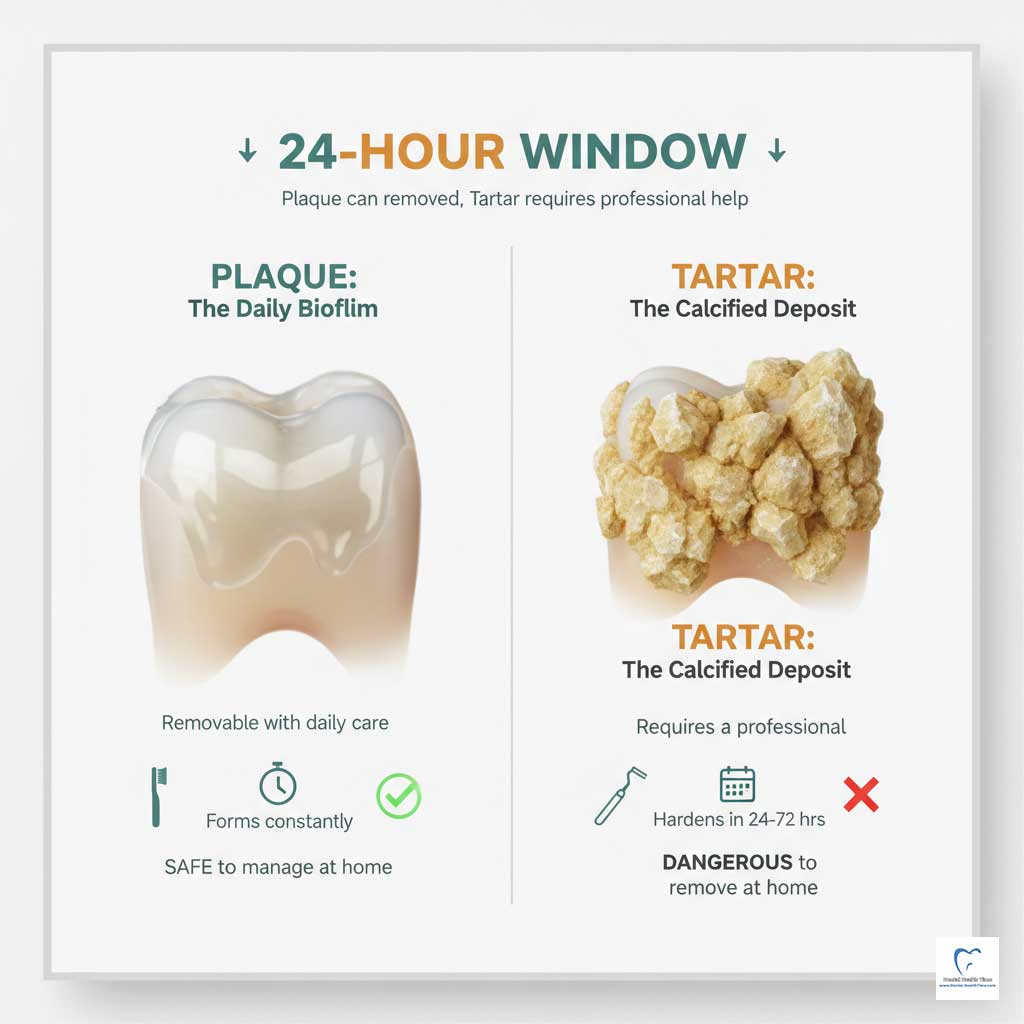
Think of dental plaque like the dust that constantly settles on your furniture; it’s a soft, sticky, and colorless film of bacteria that is always forming on your teeth. Even moments after a professional cleaning, this biofilm begins to develop again.
Plaque is primarily composed of bacteria, but it also contains food debris and saliva. When you eat sugary or starchy foods, the bacteria in plaque produce acids that attack your tooth enamel. This is what leads to cavities. The good news is that because plaque is soft, you can manage this daily assault and learn how to get rid of plaque with the right oral hygiene tips.
What is Dental Tartar (Calculus)? Plaque’s Hardened Form
When you fail to remove plaque from teeth at home, it begins to absorb minerals from your saliva. Within as little as 24 to 72 hours, this process causes the soft plaque to harden into a substance called tartar, or dental calculus.
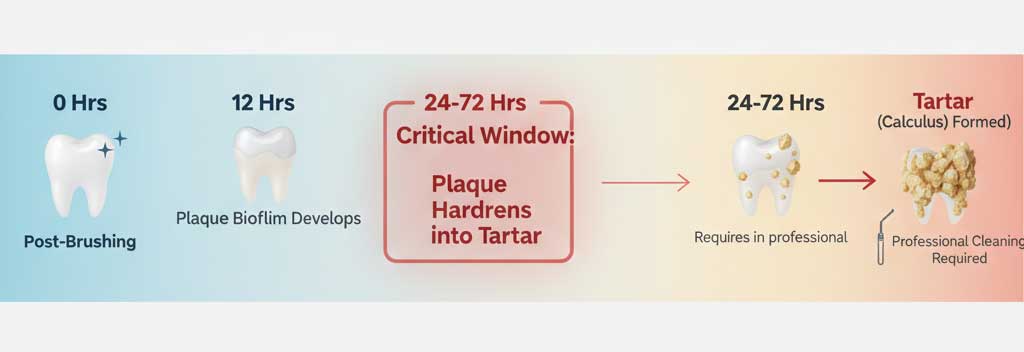
Unlike plaque, tartar is a rough, porous, and typically yellow or brownish deposit that bonds strongly to tooth enamel. It can form both above and below the gumline. Once tartar has formed, you are no longer in the realm of DIY teeth plaque removal at home. Tartar is too hard to be removed by a toothbrush and requires professional tools. This is why the primary goal of your at–home dental care should always be to prevent plaque buildup.
Why At-Home Plaque Removal is a Major 2025 Health Trend
Before we dive into the specific home hacks, it’s important to understand why millions of Americans are actively searching for ways to remove plaque from teeth at home. This isn’t just a fleeting interest; it’s a significant movement driven by powerful shifts in our approach to health, wellness, and personal finance. Understanding this context validates the importance of the at-home dental care methods we are about to cover.
A Multi-Billion Dollar Market Driven by Consumer Demand
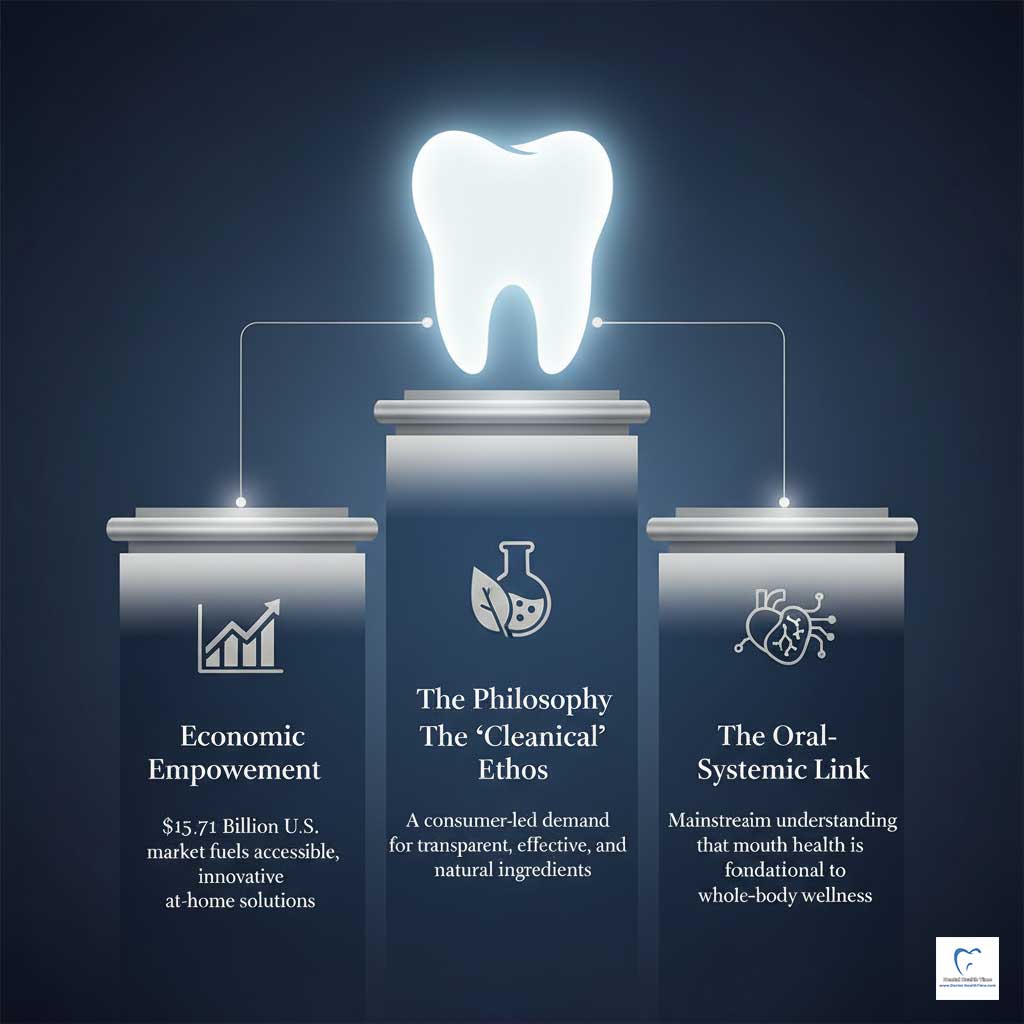
The U.S. market for oral care products is booming, projected to reach an impressive USD 15.71 billion by 2030. This growth isn’t just about selling more toothpaste; it reflects a deep consumer interest in advanced at-home dental care solutions, from electric toothbrushes and water flossers to natural and effective remedies. People are actively seeking ways to take control of their oral hygiene between dental visits.
The “Cleanical” Movement: Why Natural Ingredients Are Trending
According to a 2025 trends report from Mintel, consumers are increasingly drawn to “cleanical” formulations—a blend of clean ingredients and clinical effectiveness. This trend perfectly explains the rising interest in how to get rid of plaque using simple, trusted ingredients. The search for natural plaque removal methods, like using baking soda for teeth plaque or practicing oil pulling, stems from a desire for transparent and understandable solutions.
The Oral-Systemic Link: Connecting Mouth Health to Overall Wellness
Perhaps the most significant driver is the growing public awareness of the oral-systemic link—the scientifically established connection between oral health and overall health. Credible sources like the Mayo Clinic have long highlighted how oral bacteria and inflammation can be linked to cardiovascular disease, diabetes, and other serious health conditions. This knowledge transforms the task to remove plaque from teeth at home from a cosmetic concern into a critical component of a healthy lifestyle and preventative self-care.
7 Proven (and Safe) Home Hacks to Remove Plaque and Prevent Tartar
Now, let’s move from the “why” to the “how.” Here are seven effective and, most importantly, safe strategies for teeth plaque removal at home. These oral hygiene tips are designed to manage soft plaque and prevent plaque buildup, stopping tartar before it ever has a chance to form.
Hack #1: Mastering a Dentist-Approved Brushing Technique
What It Is: The foundation of all at-home dental care. It’s not just about brushing, but about brushing correctly.
The Science Behind It: Proper brushing mechanically disrupts and removes the soft plaque biofilm before it can calcify. Using a tartar-control toothpaste adds a chemical component, with ingredients that interfere with the crystal growth of tartar.
Step-by-Step Guide:
- Follow the “2 and 2” rule: Brush your teeth for a full two minutes, twice a day.
- Use a soft-bristled toothbrush to prevent gum damage.
- Apply the Bass method: Angle the bristles at 45 degrees toward the gumline and use gentle, circular motions.
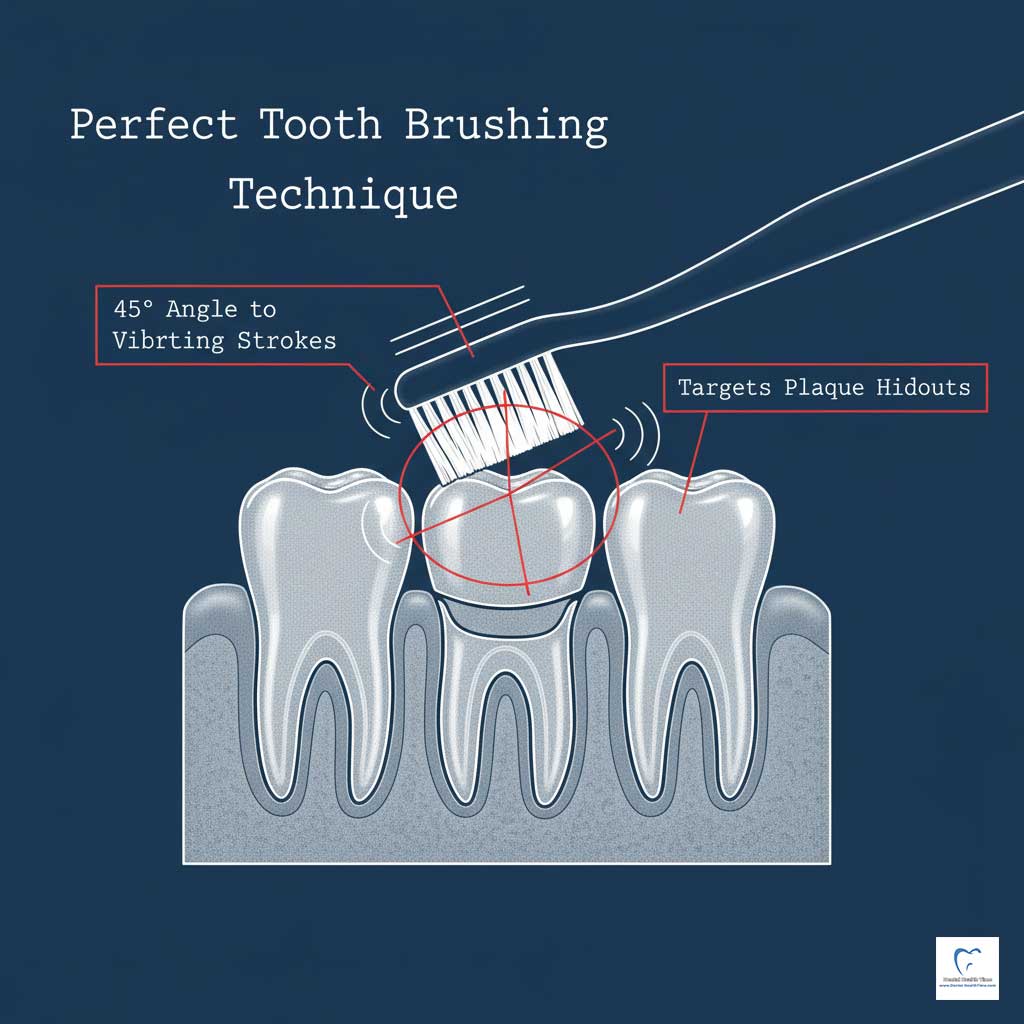
Safety Precautions: Brushing too hard can cause gum recession and enamel abrasion. Always use gentle pressure.
Hack #2: The Baking Soda Scrub (When Used Correctly)
What It Is: Using common baking soda as a powerful agent for natural plaque removal.
The Science Behind It: Baking soda (sodium bicarbonate) is a mild abrasive that is highly effective at disrupting plaque. Research published in the Journal of Clinical Dentistry has repeatedly confirmed that toothpastes containing baking soda are more effective at plaque removal than those without it.
Step-by-Step Guide:
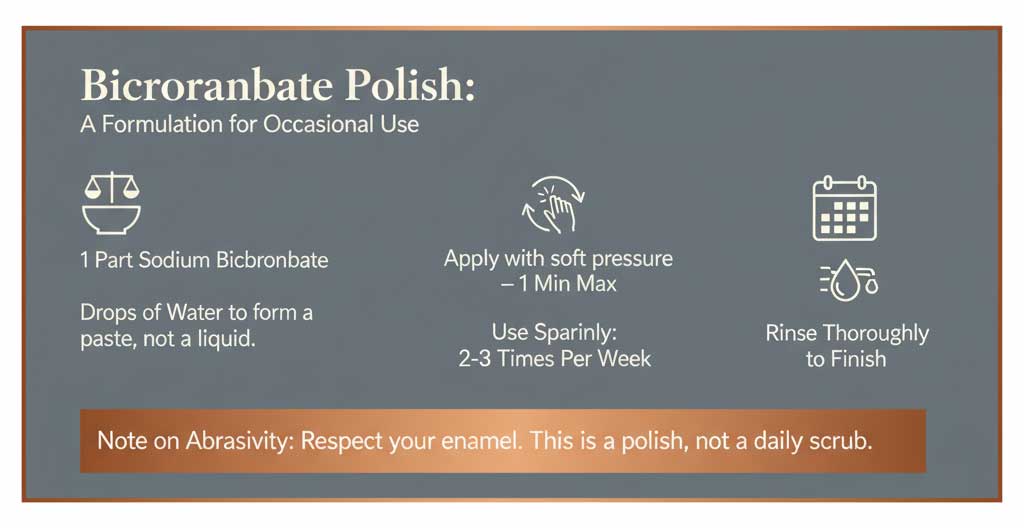
- Place a small amount of baking soda into a bowl.
- Add a few drops of water to form a paste-like consistency.
- Dip your toothbrush into the paste and brush gently for about one minute.
- Rinse your mouth thoroughly with water.
Safety Precautions: Because it is abrasive, limit the use of this baking soda for teeth plaque method to just two or three times per week to avoid damaging your enamel.
Hack #3: Oil Pulling with Coconut Oil
What It Is: An ancient Ayurvedic practice that involves swishing oil in your mouth to improve oral hygiene.
The Science Behind It: The primary benefit of oil pulling for plaque is its antimicrobial effect. Coconut oil is rich in lauric acid, which is effective at attacking harmful bacteria in the mouth, particularly Streptococcus mutans, a primary culprit in tooth decay and plaque formation.
Step-by-Step Guide:
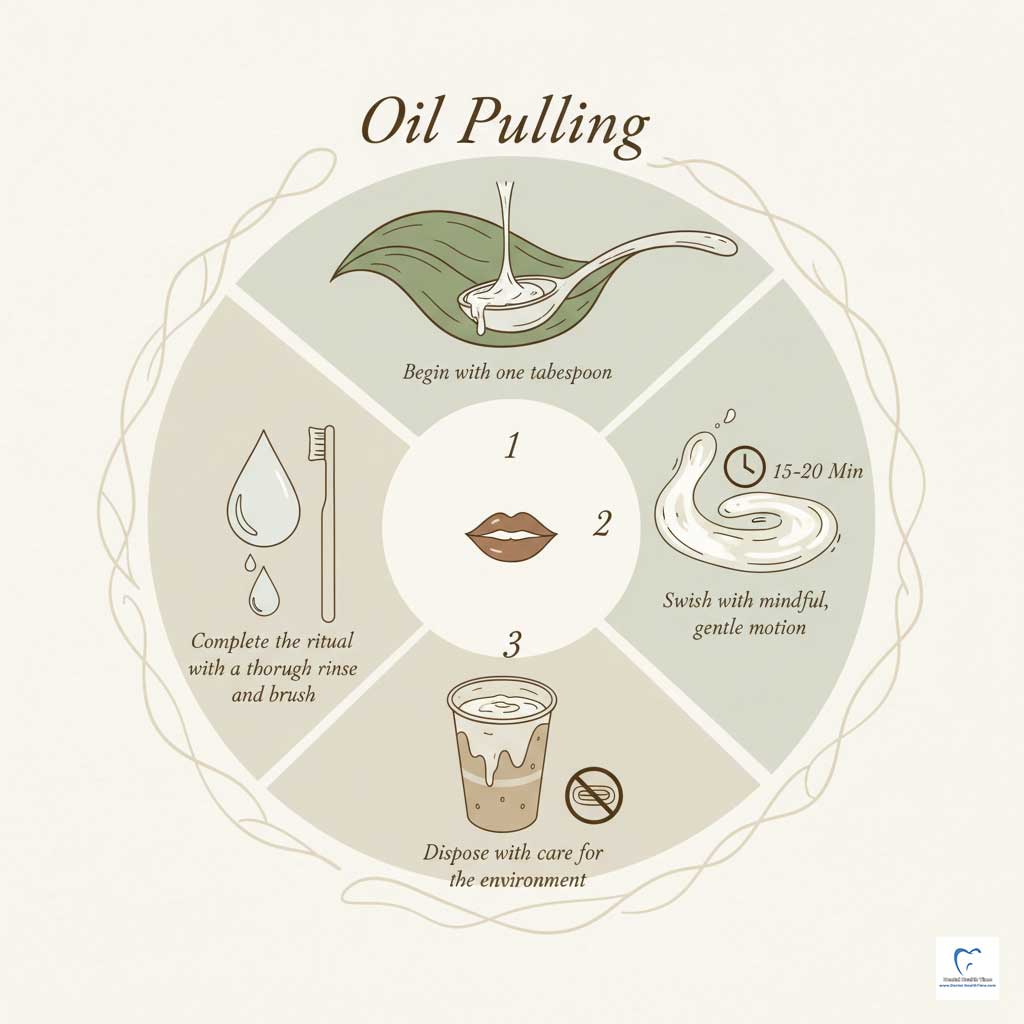
- First thing in the morning, on an empty stomach, place one tablespoon of high-quality coconut oil in your mouth.
- Gently swish the oil around your mouth and “pull” it through your teeth for 15-20 minutes.
- Spit the oil into a trash can (never the sink, as it can solidify and clog pipes).
- Rinse your mouth with warm water and then brush your teeth as usual.
Safety Precautions: While oil pulling is generally safe, it should be considered a supplemental practice to standard oral hygiene, not a replacement.
Hack #4: Rinsing with a Therapeutic Mouthwash
What It Is: Using an over-the-counter mouthwash specifically formulated to combat plaque and gingivitis.
The Science Behind It: Unlike cosmetic rinses that just freshen breath, therapeutic mouthwashes contain active ingredients designed to kill bacteria. Look for products with ingredients like cetylpyridinium chloride or essential oils (e.g., eucalyptol, menthol), which have been clinically proven to reduce plaque buildup.
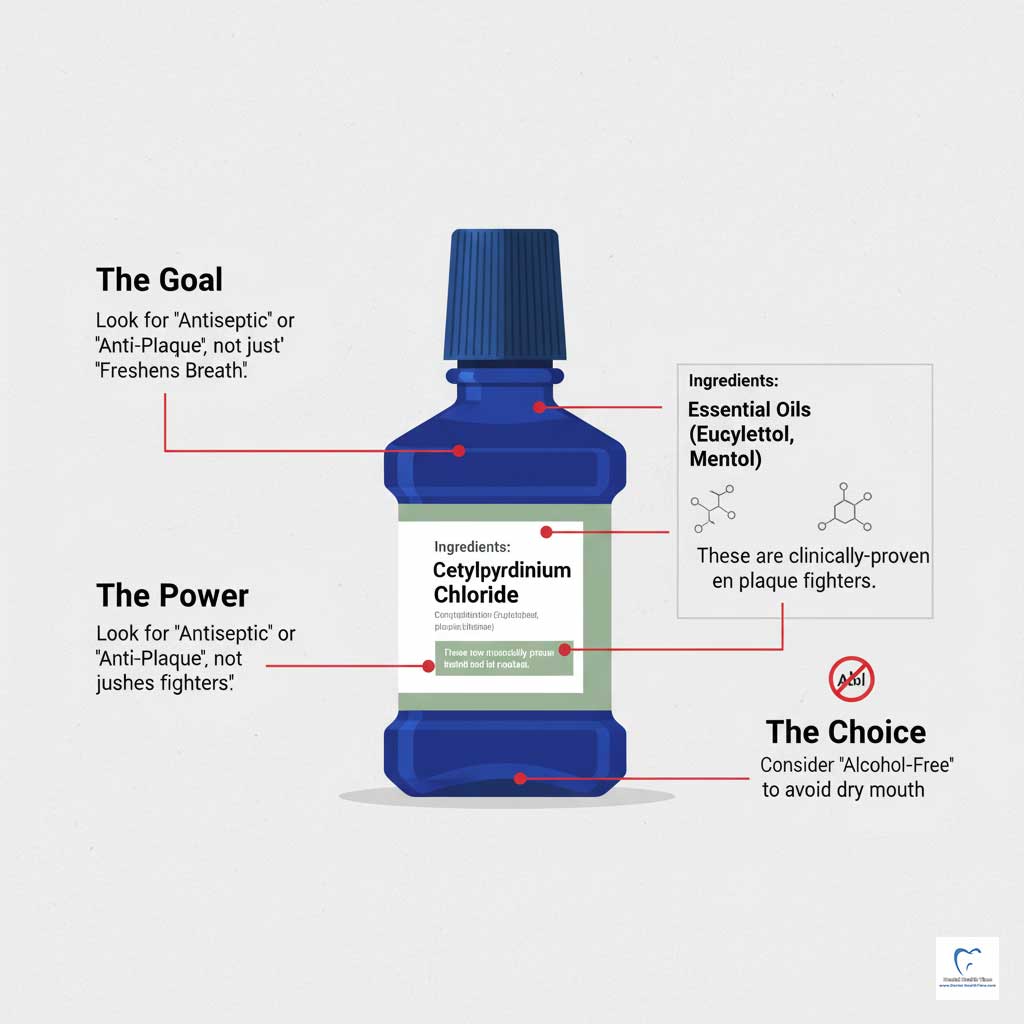
Step-by-Step Guide: Follow the instructions on the product label, typically rinsing for 30-60 seconds once or twice a day.
Safety Precautions: Some mouthwashes contain alcohol, which can cause dry mouth. If this is a concern, opt for an alcohol-free formula.
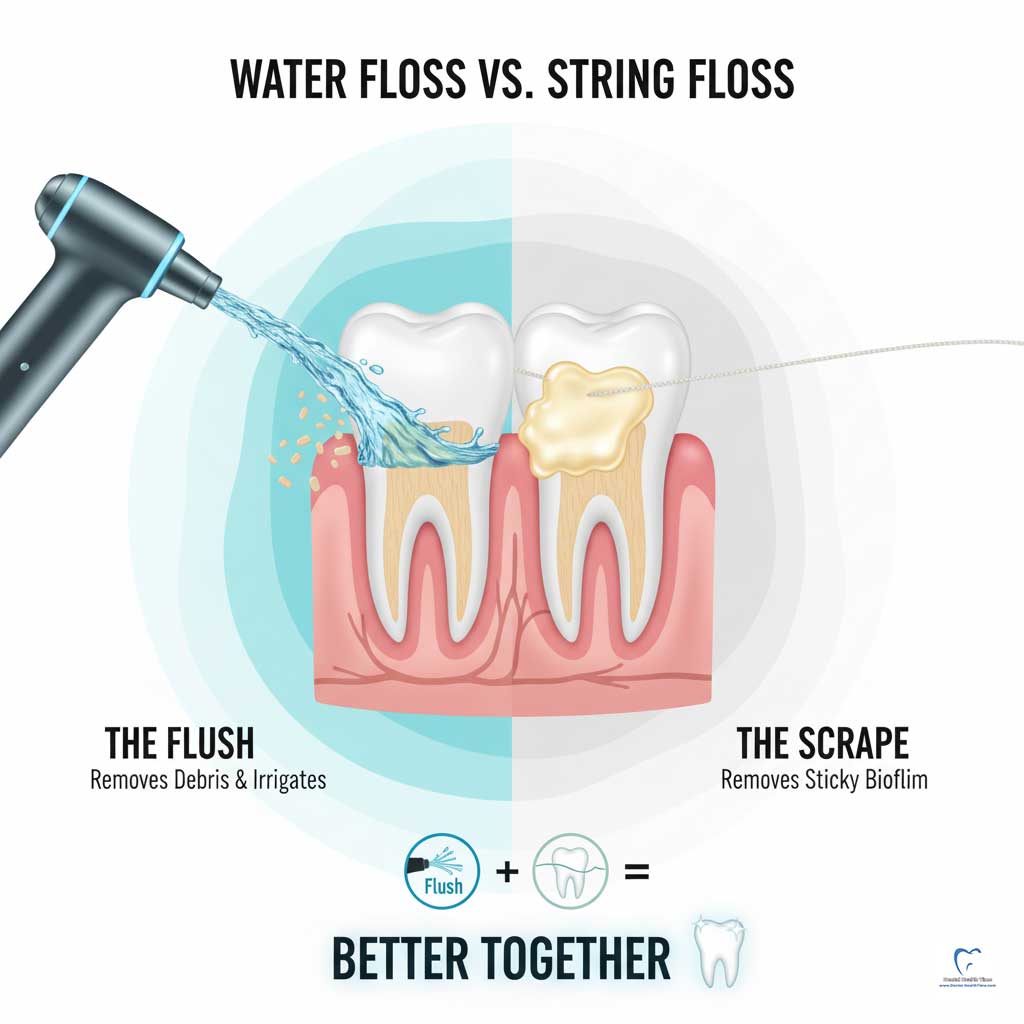
Hack #5: The Power of Water Flossers
What It Is: A device that uses a high-pressure stream of pulsating water to clean between teeth and below the gumline.
The Science Behind It: Water flossers are excellent at flushing out food particles and disrupting plaque in areas that are difficult to reach with traditional floss, especially for those with braces or dental bridges. They are a prime example of the at-home tech trend driving better oral hygiene.
Step-by-Step Guide: Lean over the sink, place the flosser tip in your mouth, and trace along your gumline, pausing briefly between each tooth.
Safety Precautions: A water flosser is a great supplement to, but not a complete replacement for, traditional string floss, which is better at scraping sticky plaque from the tooth surface.
Hack #6: Eating a “Teeth-Cleaning” Diet
What It Is: Leveraging firm, crunchy foods to naturally clean your teeth as you eat.
The Science Behind It: Foods like apples, carrots, and celery have a fibrous texture that acts as a gentle, natural abrasive. As you chew, they physically scrub the surfaces of your teeth, helping to remove loose food debris and surface-level plaque. This is a simple and effective method for natural plaque removal.
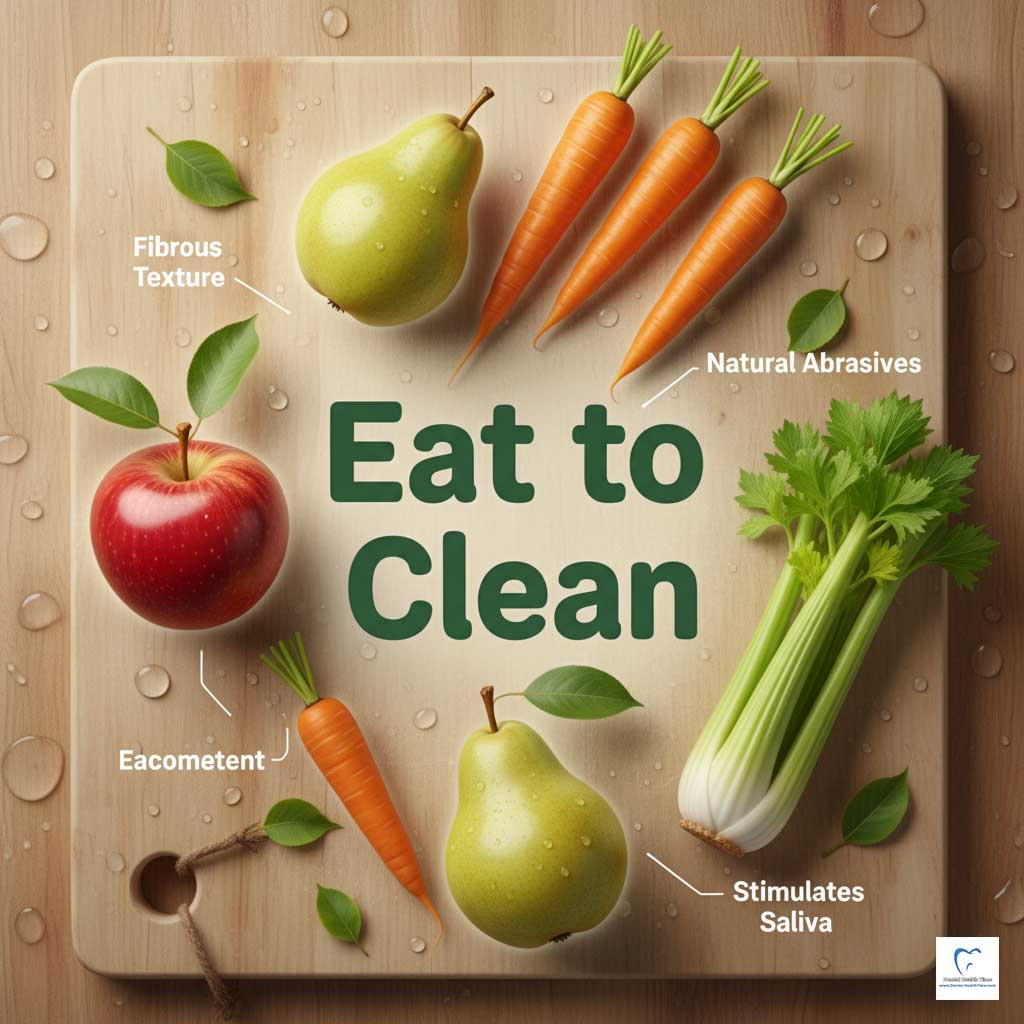
Step-by-Step Guide: Incorporate one or two servings of raw, crunchy fruits or vegetables into your daily diet, especially as a snack between meals.
Safety Precautions: While beneficial, this does not replace the need for brushing and flossing.
Hack #7: A Diluted Hydrogen Peroxide Rinse (With Extreme Caution)
What It Is: Using a diluted solution of hydrogen peroxide as an antiseptic rinse to kill oral bacteria.
The Science Behind It: Hydrogen peroxide releases oxygen, which creates an environment where anaerobic bacteria (the kind that thrive in plaque) cannot survive. This can help reduce the overall bacterial load in your mouth.
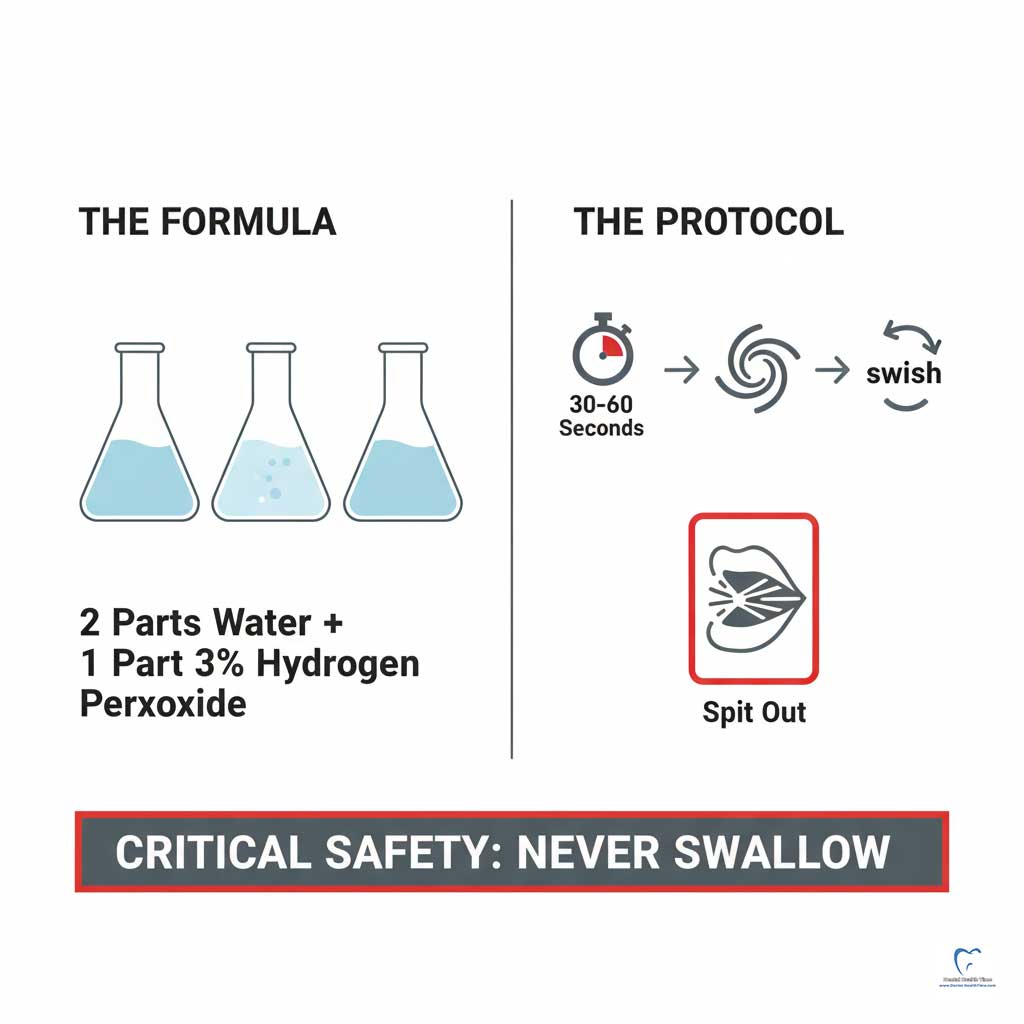
Step-by-Step Guide:
- Mix one part 3% hydrogen peroxide (the kind sold in brown bottles) with two parts water.
- Swish this solution in your mouth for 30-60 seconds.
- Spit it out completely. Never swallow hydrogen peroxide.
Safety Precautions: This method should be used sparingly. Overuse can irritate gums, disrupt the natural oral microbiome, and potentially damage tooth enamel. It kills bacteria but does not physically remove plaque or tartar.
At-a-Glance: Comparing Home Plaque Removal Methods
To help you decide which methods are right for your at-home dental care routine, here is a quick comparison. This table clearly outlines what each method is best for and, crucially, highlights the danger of trying to remove tartar yourself.
| Method | How It Works | Best For | Safety/Risk Level | Recommended Frequency |
| Proper Brushing | Mechanical removal of soft plaque | Daily plaque control | Very Low | Twice daily |
| Baking Soda Paste | Gentle abrasion | Stubborn surface plaque, stains | Low (if used correctly) | 2-3 times per week |
| Oil Pulling | Reduces oral bacteria count | Reducing plaque-forming bacteria | Very Low | Daily (15-20 mins) |
| Water Flosser | High-pressure water stream | Interdental plaque, below gumline | Very Low | Daily |
| Antiseptic Rinse | Kills bacteria chemically | General bacteria reduction | Low | Daily (as per label) |
| DIY Scraping Tool | Dangerous physical scraping | N/A – Not Recommended | Very High | Never |
The Right Tools for the Job: Home Dental Tech Comparison
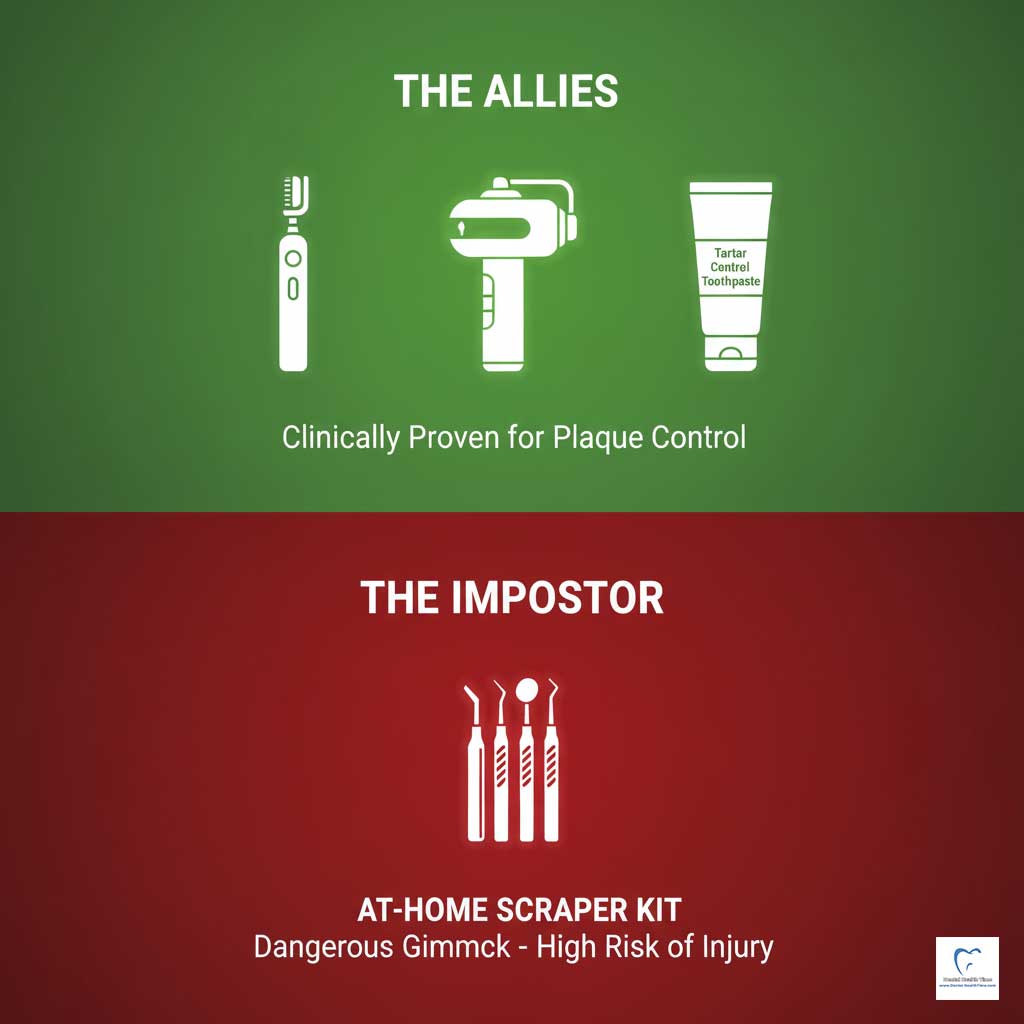
The modern market is filled with tools designed to improve your oral hygiene. But not all tools are created equal—or safe. Here’s a breakdown of effective technology versus dangerous gimmicks.
| Tool | Primary Function | Average Cost (USA) | Pros | Cons (E-E-A-T Focus) |
| Electric Toothbrush | Superior plaque removal | $25 – $250 | Timers, pressure sensors, high efficacy | Cost, requires charging |
| Water Flosser | Removes interdental plaque/debris | $35 – $120 | Great for braces, reaches deep | Can be messy, doesn’t replace floss |
| Tartar Control Toothpaste | Chemically inhibits tartar formation | $4 – $10 | Easy to integrate, effective | May not work for everyone |
| At-Home Scraper Kit | Attempted tartar removal | $10 – $30 | None | Extreme risk of enamel/gum damage |
The Red Line: Why You Should NEVER Scrape Hardened Tartar Yourself
A quick online search will reveal dozens of “dental scaler kits” marketed for at-home use. It is absolutely critical to understand that using these tools is incredibly dangerous. Many people search for how to remove tartar from teeth without a dentist, but attempting this is a mistake that can lead to permanent damage.
Irreversible Damage: Enamel, Gums, and Roots
Your tooth enamel is the hardest substance in your body, but it is not invincible and it does not grow back once it’s gone. Dental hygienists train for years to learn the precise angles and pressure needed to remove tartar without harming the enamel. An untrained hand can easily scratch, chip, or gouge the tooth surface, creating rough spots where even more plaque can accumulate.
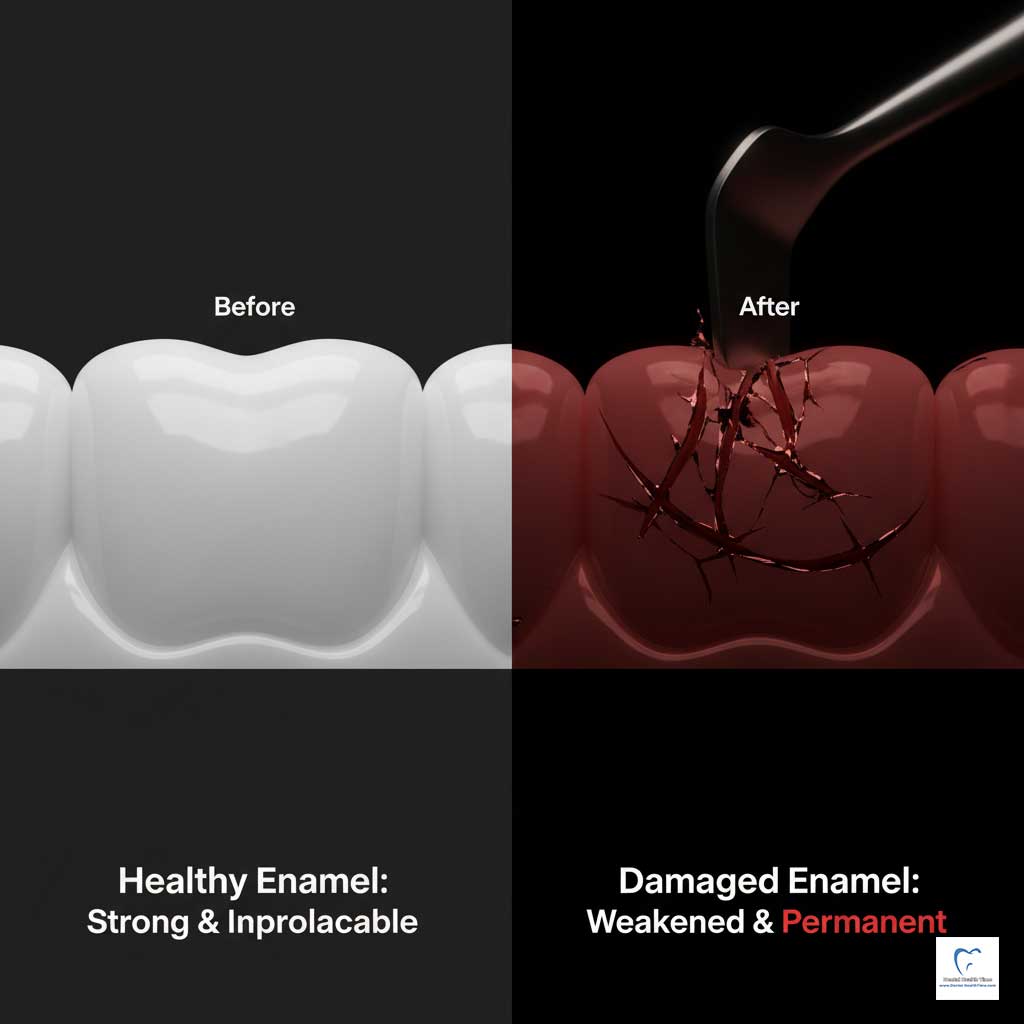
Furthermore, you can easily slip and puncture your gums or push the tartar below the gumline, leading to gum recession, root damage, and severe tooth sensitivity.
The Danger of Infection
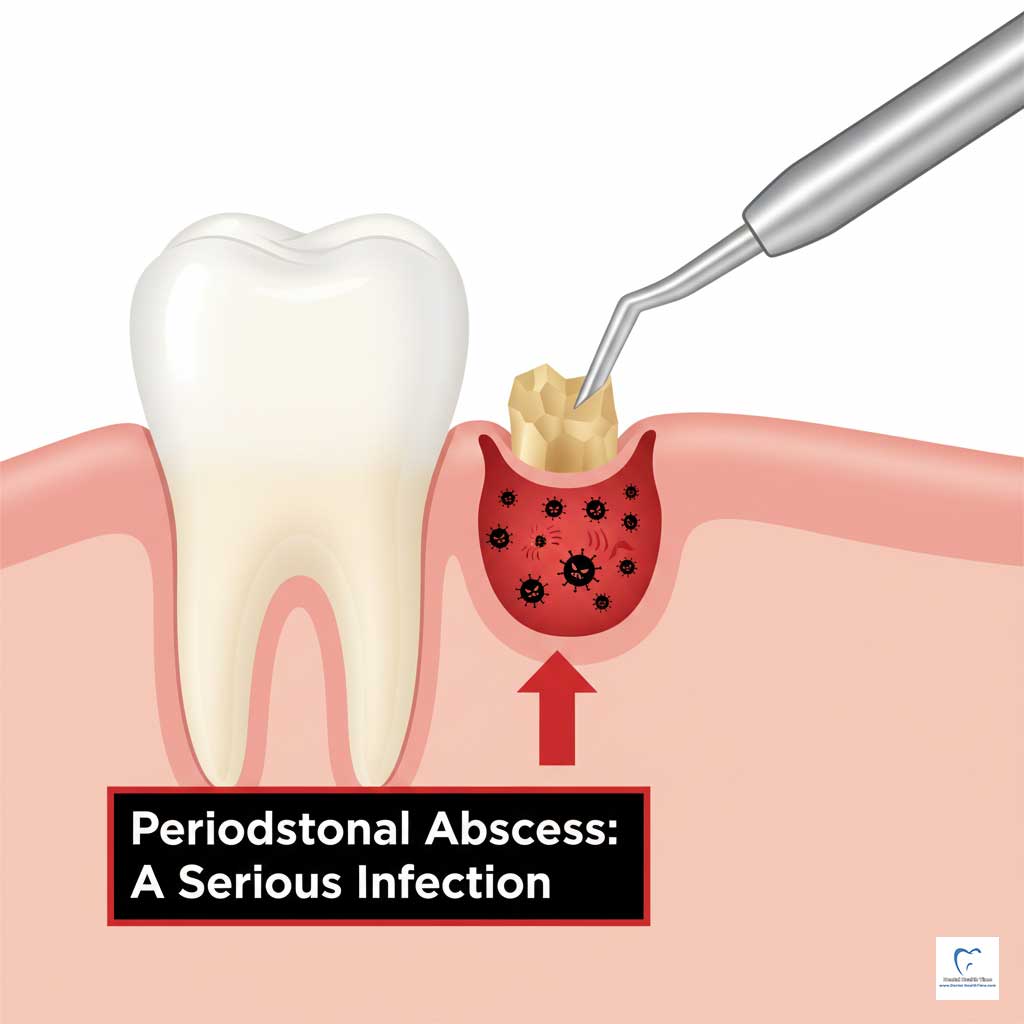
Pushing tartar below the gumline is one of the most dangerous outcomes. This creates a deep pocket where bacteria can thrive, leading to a serious gum infection known as a periodontal abscess. Professional cleanings are done with sterilized instruments in a controlled environment—something that cannot be replicated at home. Answering the question “Can you scrape plaque off your own teeth safely?” with anything other than a definitive “no” for hardened tartar is irresponsible.
Summary & Key Takeaways: Your Action Plan for a Plaque-Free Smile
Navigating the world of at-home dental care can be empowering. The most effective way to remove plaque from teeth at home is not through a single hack but through a consistent and safe daily routine focused on prevention. The goal is to manage plaque effectively so it never gets the chance to harden into tartar.
Your Actionable Takeaways:
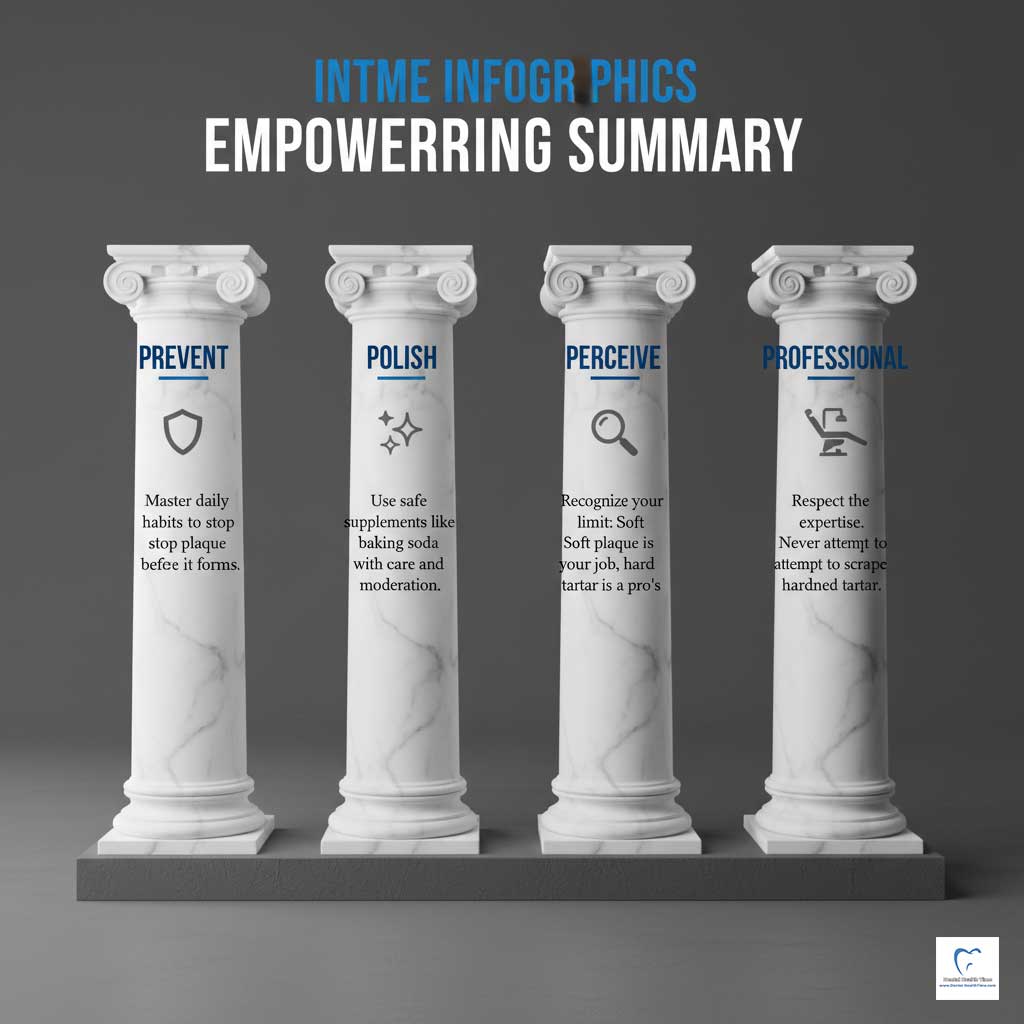
- Prevention is Paramount: Focus on mastering your brushing and flossing to stop plaque before it hardens. Your best strategy is to prevent plaque buildup in the first place.
- Use Safe Supplements: Incorporate proven, safe methods like using baking soda sparingly, practicing oil pulling, or using a therapeutic mouthwash to enhance your routine.
- Know Your Limits: Understand that you can only remove soft plaque at home. For hardened tartar, a professional cleaning is non-negotiable.
- Never Scrape: Avoid at-home scraping tools at all costs. The risk of permanent damage far outweighs any perceived benefit.
By adopting these oral hygiene tips, you can take meaningful control over your health, achieve a cleaner smile, and make your professional dental visits smoother and more effective.
Frequently Asked Questions (FAQs)
What is the fastest way to remove plaque from teeth at home?

The quickest and most effective method is a thorough two-minute brushing session using a tartar-control toothpaste, immediately followed by flossing or using a water flosser. There is no safe, instantaneous trick to remove significant amounts of plaque.
What dissolves hardened tartar?
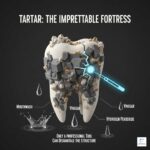
Nothing available for at-home use can safely dissolve hardened tartar. Tartar is a calcified deposit that must be professionally and mechanically removed by a dental hygienist or dentist through a procedure called scaling.
Is it okay to scrape tartar off your teeth?
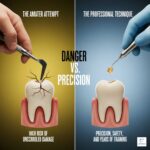
No, it is extremely unsafe. Attempting to scrape your own tartar with sharp tools can lead to irreversible enamel damage, gum injury, and serious infections. This should only ever be performed by a trained dental professional.
How can I get rid of tartar on my kids’ teeth?
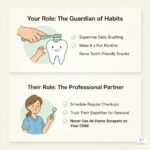
For children, the focus must be on prevention with consistent, supervised brushing. If you notice hardened tartar on your child’s teeth, you must schedule a visit with a pediatric dentist for safe and gentle professional removal.
Can hydrogen peroxide remove hard tartar?
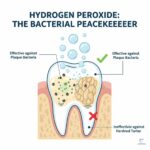
No. While a diluted hydrogen peroxide rinse can help kill the bacteria that contribute to plaque, it does not have the chemical ability to dissolve or break down existing hardened tartar deposits.
Can dental plaque be removed naturally?
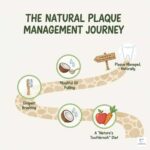
Yes, soft dental plaque can be removed and managed through natural plaque removal methods, including diligent brushing, oil pulling, and eating a diet rich in crunchy, fibrous vegetables.
What is the 2-2-2 rule for teeth?
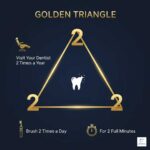
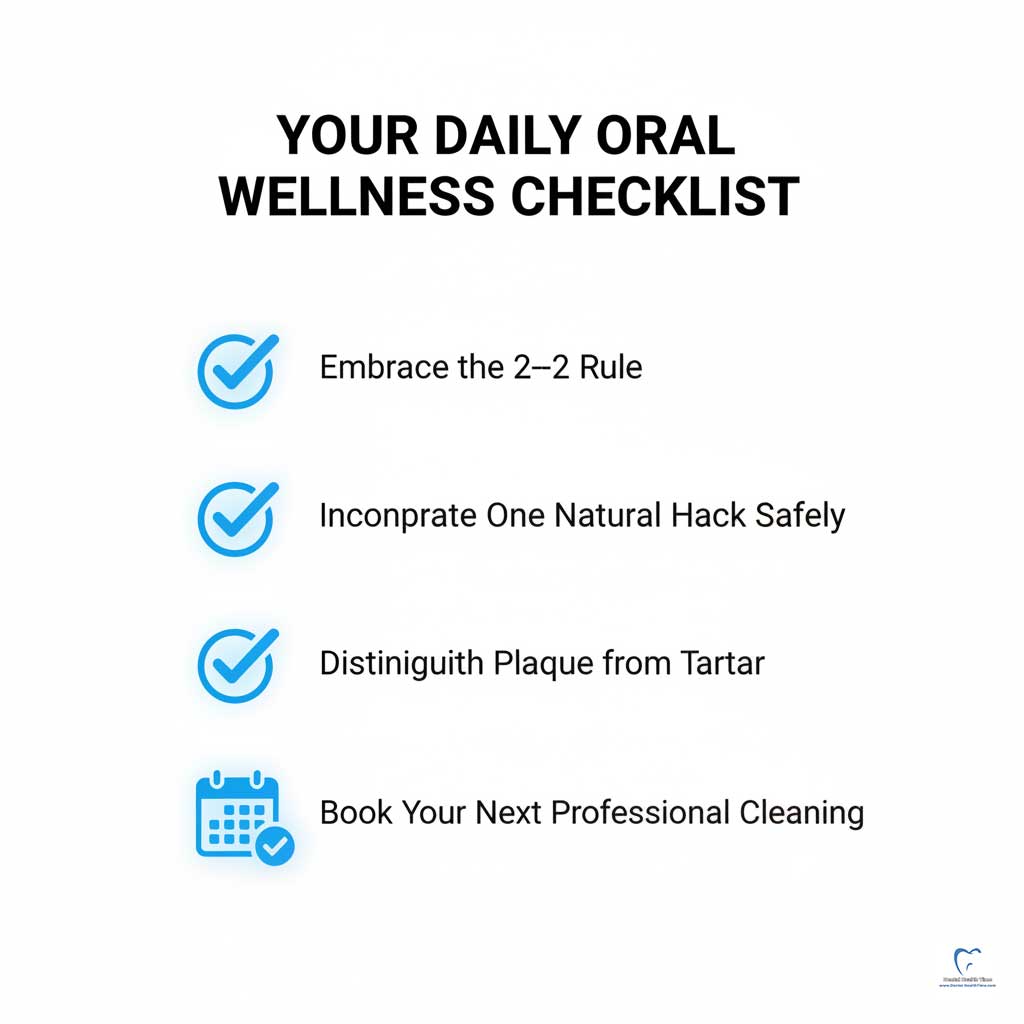
This is a helpful guideline for optimal oral health: visit your dentist 2 times per year for checkups and cleanings, and brush your teeth for 2 minutes, 2 times a day.
Do gums grow back after tartar removal?
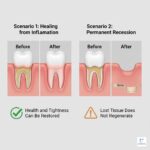
If gums were inflamed and swollen due to tartar, they will become healthier and tighter after a professional cleaning, which may reduce the appearance of recession. However, gum tissue that has been permanently lost due to bone destruction from periodontitis will not grow back.
Why do I get so much plaque even though I brush?
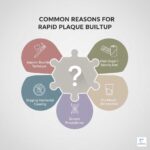
Several factors can contribute to rapid plaque buildup, including improper brushing technique (not reaching all surfaces), not flossing, a diet high in sugar and carbohydrates, having a dry mouth (xerostomia), or even a genetic predisposition.
Is it bad to scrape plaque off your teeth with your finger?
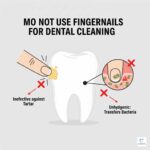
While using a fingernail is less dangerous than a metal tool, it is ineffective for removing anything other than the softest plaque and can introduce bacteria from under your nail into your gum tissue, potentially causing irritation or infection.
What’s the difference between a home dental kit and a professional cleaning?
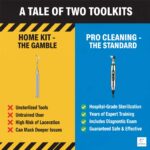
Home kits provide dangerous, unsterilized tools without the necessary training, leading to high risks of injury. A professional cleaning uses sterilized instruments, expert knowledge of dental anatomy to avoid harm, and includes a comprehensive oral health examination.
Can an electric toothbrush remove tartar?
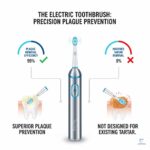
An electric toothbrush is exceptionally effective at removing soft plaque and is one of the best tools to prevent plaque buildup and stop it from hardening into tartar. However, it cannot remove tartar that has already hardened and bonded to the teeth.